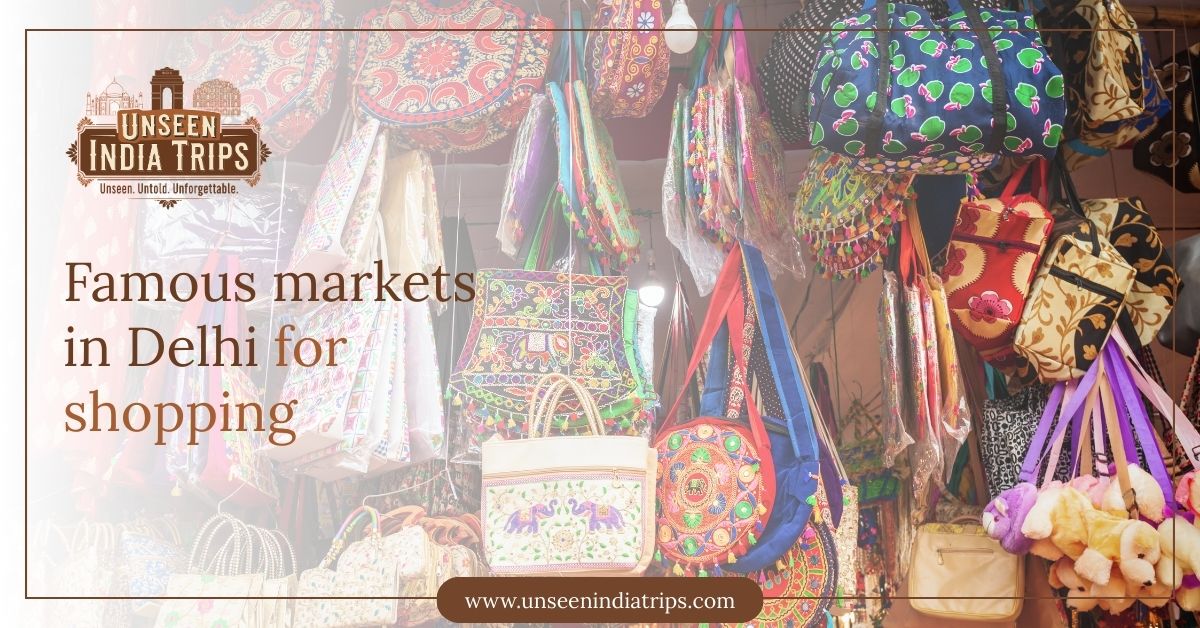
Delhi offers shopping experiences ranging from centuries-old bazaars overflowing with traditional goods to modern malls featuring international brands. The city’s markets reflect India’s incredible diversity—each neighborhood marketplace showcases unique specialties, atmospheres, and price points. Understanding which markets suit your interests, budget, and shopping goals helps you navigate Delhi’s overwhelming retail landscape efficiently, whether you’re exploring independently or through organized delhi tour car package itineraries that allocate time for shopping alongside monument visits.
Chandni Chowk: Historic Chaos and Treasures
Asia’s largest wholesale market, Chandni Chowk, dates to the 17th century when Shah Jahan built it alongside the Red Fort. This labyrinthine market represents Old Delhi at its most authentic, chaotic, and overwhelming—narrow lanes packed with shops, vendors, pedestrians, cycles, and the occasional vehicle creating sensory overload that either thrills or exhausts visitors.
What to Buy: Traditional Indian clothing (lehengas, sherwanis, saris), wedding items, jewelry (both fine and costume), electronics, spices, dry fruits, traditional sweets, and virtually everything else imaginable. Specific lanes specialize in particular goods—Dariba Kalan for silver jewelry, Kinari Bazaar for wedding decorations, Khari Baoli for spices.
Shopping Tips: Navigate Chandni Chowk early morning (9-11 AM) before the afternoon heat and maximum crowds. Wear comfortable shoes for extensive walking on uneven surfaces. Keep bags secure and valuables close—pickpocketing occurs in crowded areas. Bargain extensively—initial prices often start 2-3 times above final acceptable prices.
Atmosphere: Intensely crowded, noisy, and chaotic. Not for everyone, but those embracing the chaos find incredible bargains and authentic experiences. Perfect for cultural immersion alongside shopping.
Best For: Bargain hunters, cultural explorers, those seeking traditional Indian goods, adventurous shoppers comfortable with chaos.
Connaught Place: Colonial Elegance Meets Modern Shopping
Connaught Place (CP), Delhi’s commercial heart, features Georgian-style colonial architecture arranged in concentric circles. The area combines brand stores, bookshops, restaurants, and handicraft emporia in relatively organized, walkable spaces.
What to Buy: Books (numerous bookstores, including chain stores), branded clothing, handicrafts from government emporiums, shoes, jewelry, and electronics. The area hosts both Indian brands and some international names.
Shopping Tips: Explore both the outer circle (more upscale) and inner circle markets. Government emporia (Central Cottage Industries Emporium) offer fixed-price handicrafts from across India—excellent for comparing quality and prices before bargaining elsewhere. Restaurants and cafes provide rest breaks between shopping.
Atmosphere: More organized than traditional markets but still distinctly Indian. Wide pedestrian areas allow comfortable browsing. Evening visits offer a pleasant ambiance with lit buildings and cooler temperatures.
Best For: Those wanting variety without overwhelming chaos, book lovers, shoppers preferring fixed prices and quality guarantees, and visitors seeking organized shopping experiences.
Sarojini Nagar Market: Fashion on a Budget
Sarojini Nagar has achieved legendary status among Delhi’s budget fashion shoppers. This massive market sells export surplus, rejected pieces, and last-season items from major brands at a fraction of retail prices. The market operates as organized chaos—rows of shops and street vendors creating a maze-like shopping terrain.
What to Buy: Western clothing (tops, jeans, dresses), Indian fusion wear, shoes, bags, and accessories. Quality varies dramatically—some items are genuinely great finds, others are obvious rejects with flaws. Inspection before purchase is essential.
Shopping Tips: Arrive early (10-11 AM) for the best selection before crowds and the heat peak. Try before buying when possible—sizes are inconsistent. Examine items carefully for defects. Bargain hard—vendors expect it. Weekdays see fewer crowds than weekends.
Atmosphere: Crowded, chaotic, and intense. Peak hours feel overwhelming with thousands of shoppers fighting for bargains. The hunt for hidden gems among piles of clothing creates treasure-hunt excitement or exhausting frustration, depending on temperament.
Best For: Budget shoppers, fashion enthusiasts, bargain hunters, those with patience for extensive searching, students, and young travelers.
Dilli Haat: Cultural Showcase
Dilli Haat operates as a permanent craft fair featuring rotating artisans from across India selling handicrafts, textiles, and traditional goods. Multiple locations exist (INA, Pitampura, Janakpuri), with INA being the most popular.
What to Buy: Authentic handicrafts (pottery, paintings, wood carvings, textiles), traditional clothing, home decor items, jewelry, and regional specialties from various Indian states. Quality is generally high as artisans are screened.
Shopping Tips: Entry fee applies (₹30-50), filtering out some crowds and creating a more pleasant environment. Prices are relatively fixed or semi-negotiable—less aggressive bargaining needed. Explore food stalls offering regional cuisines from across India.
Atmosphere: Relaxed, organized, and cultural. Open-air market with planned layout. Evening visits are particularly pleasant with cooler temperatures and better ambiance. Combines shopping with a cultural experience.
Best For: Those seeking authentic handicrafts with quality assurance, cultural explorers, shoppers preferring a relaxed atmosphere over chaotic bargaining, and families with children.
Khan Market: Upscale Shopping and Dining
Khan Market caters to Delhi’s affluent residents and tourists seeking high-end shopping without mall environments. This compact, upscale market features boutiques, bookstores, home decor shops, and numerous cafes and restaurants.
What to Buy: Designer clothing (Indian and international), books (excellent bookstores including Bahrisons), high-quality home furnishings, gourmet foods, imported goods.
Shopping Tips: Prices are high by Indian standards, but quality matches. Less bargaining culture—many stores have fixed prices. Combine shopping with meals at numerous excellent restaurants. Limited parking—use the metro or ride-hailing apps.
Atmosphere: Sophisticated and organized. Feels more like an upscale Western shopping district than a traditional Indian market. Air-conditioned shops provide comfortable browsing. Popular with expats and wealthy Indians.
Best For: Affluent shoppers, those seeking Western-style shopping experiences, book enthusiasts, and visitors combining shopping with upscale dining.
Lajpat Nagar: Central Market for Local Goods
Lajpat Nagar Central Market offers a middle ground between chaotic wholesale markets and upscale boutiques. Popular with Delhi residents for clothing, footwear, and household goods at reasonable prices.
What to Buy: Indian ethnic wear (salwar kameez, saris, lehengas), footwear (especially traditional juttis), fabrics, home furnishings, and accessories. Suitable for wedding shopping.
Shopping Tips: Less touristy than other markets, meaning less English spoken and more genuine local prices. Bargaining is expected but less aggressive than in Chandni Chowk. Weekday visits see fewer crowds. Metro accessible (Lajpat Nagar station).
Atmosphere: Busy local market without overwhelming tourist focus. More organized than Old Delhi markets, but it retains an authentic Indian shopping atmosphere. Manageable crowds most weekdays.
Best For: Those seeking ethnic Indian clothing, local shopping experiences, bargain hunters willing to negotiate, and travelers wanting to shop where locals shop.
Karol Bagh: Budget Electronics and Everything Else
Karol Bagh represents Delhi’s largest market in terms of sheer variety—clothing, electronics, footwear, home goods, and more spread across multiple connected market areas. Popular with middle-class Delhi residents.
What to Buy: Electronics (cameras, phones, accessories), clothing (especially menswear), footwear, luggage, and household items. Ajmal Khan Road features particularly dense shopping.
Shopping Tips: Know what you want before diving in—the size can overwhelm. For electronics, compare prices across stores and bargain significantly. Check warranty terms carefully. Avoid buying expensive electronics here unless you are confident about authenticity.
Atmosphere: Crowded, chaotic, and sprawling. It can feel overwhelming without specific shopping goals. A mix of wholesale and retail creates varied pricing structures.
Best For: Those seeking variety, electronics shoppers (with caution), budget clothing shoppers, and travelers comfortable navigating large, chaotic markets.
Paharganj: Backpacker Shopping
Paharganj, Delhi’s main backpacker district, features markets catering to budget travelers—cheap clothing, souvenirs, travel gear, and hippie-style goods.
What to Buy: Budget travel clothing, backpacks, sleeping bags, souvenirs, cheap jewelry, tie-dye clothing, and tourist knick-knacks. Quality is generally low, but prices match.
Shopping Tips: Bargain extensively—initial prices are highly inflated for tourists. Quality varies dramatically. Good for disposable items, but not purchases you want to last. Watch belongings carefully—theft occurs more frequently here than in other Delhi areas.
Atmosphere: Grungy backpacker vibe. Narrow lanes, aggressive vendors, and constant sales pitches. Authentic in its way, but not representative of broader Delhi shopping.
Best For: Budget backpackers, those seeking very cheap souvenirs, and travelers needing quick travel gear replacements.
Shopping Through Delhi Tour Car Package
Many delhi tour car package itineraries allocate time for shopping, typically stopping at government-approved handicraft emporiums or specific markets. Benefits include:
- Knowledgeable guides explaining specialties
- Safe, pre-vetted shops reducing scam risks
- Transport between multiple markets efficiently
- Help with bargaining and translation
However, commission-based recommendations occur. Guides may steer toward shops that pay them commissions rather than genuinely the best options. If shopping seriously, research independently and visit markets of personal interest rather than only following guide recommendations.
General Delhi Shopping Tips
Bargaining: Expected in most markets except upscale boutiques and government emporiums. Start at 50-60% of the asking price. Walk away if prices don’t meet expectations—vendors often call you back with better offers.
Cash vs. Cards: Traditional markets operate cash-only. Carry sufficient cash but not excessive amounts. Upscale areas and malls accept cards. Mobile payments (Paytm, Google Pay) work in many shops but require an Indian setup.
Quality Assessment: Inspect items carefully before buying. Check stitching, fabric quality, hardware functionality, and defects. Traditional markets rarely accept returns.
Shipping: Some shops offer international shipping for larger purchases. Use established, reputable services. Carry items personally when possible to avoid customs complications and shipping risks.
Fake Goods: Brand-name items at suspiciously low prices are usually counterfeits. Government emporia guarantee authenticity. Traditional markets make no such promises.
Delhi’s shopping diversity means everyone finds suitable markets matching their interests, budget, and comfort with chaos. From Chandni Chowk’s historic intensity to Khan Market’s sophistication, the city offers shopping experiences as varied as its monuments and culture, allowing visitors to take home pieces of India alongside memories of incredible experiences.