
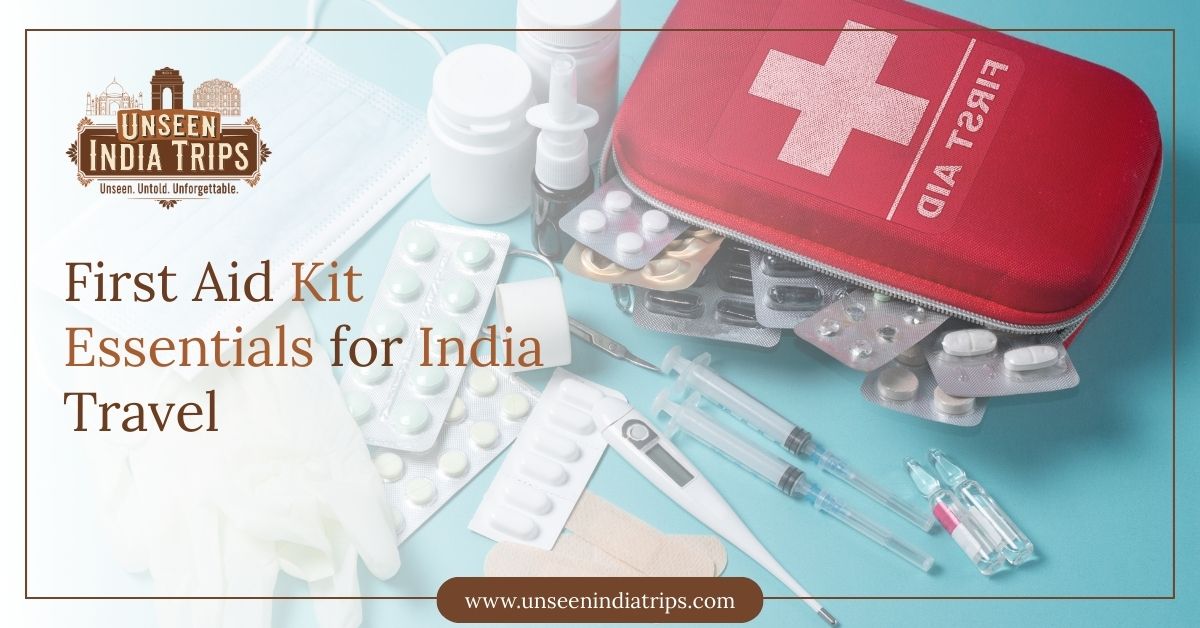
Traveling through India offers extraordinary experiences—magnificent monuments, vibrant culture, and delicious cuisine—but also presents unique health challenges that catch unprepared travelers off guard. From digestive issues and minor injuries to insect bites and heat-related problems, having a well-stocked first aid kit prevents minor health concerns from derailing your journey. Whether exploring through organized indian tour packages or traveling independently, a thoughtfully prepared medical kit provides security and quick solutions when health issues arise far from familiar healthcare systems.
Why India Requires Special Preparation
India’s health challenges differ substantially from those in many Western countries, requiring travelers to prepare more comprehensively than they might for destinations with similar healthcare infrastructure. The combination of unfamiliar bacteria in food and water, intense heat during summer months, high population density, variable hygiene standards, and different disease profiles means travelers face health risks uncommon in their home countries.
While Indian cities feature pharmacies abundantly stocked with medications, several factors make relying solely on local purchases problematic during health emergencies. Language barriers complicate explaining symptoms and understanding instructions provided by pharmacists. Quality control varies across establishments, with counterfeit medications existing despite regulatory efforts. Familiar brand names may be unavailable, replaced by generic equivalents you’re uncertain about using.
Importantly, when you’re feeling ill, hunting for pharmacies in unfamiliar cities represents the last thing you want to do. Carrying essential medications from home ensures you have quality products you know and trust, with instructions in your language, immediately accessible when needed. This preparation transforms potentially stressful medical situations into manageable inconveniences that don’t derail your travel plans.
Digestive Health Medications
Digestive problems consistently top the list of tourist health complaints in India, making these medications essential rather than optional additions to your kit.
Oral Rehydration Salts prove essential for treating dehydration from diarrhea. These packets dissolve in water, replacing lost electrolytes more effectively than plain water alone. The World Health Organization-formulated ORS prevents dangerous dehydration that can turn minor digestive upset into serious medical situations. Pack at least 10 packets for week-long trips, more for extended journeys.
Anti-diarrheal medication like loperamide provides quick symptomatic relief for mild to moderate diarrhea, particularly useful when you need symptom control during travel days or while touring monuments. While it doesn’t treat underlying causes, it manages symptoms, allowing you to function. Pack 8-12 tablets as standard precaution.
Antibiotics for bacterial infections, specifically Ciprofloxacin or Azithromycin, prescribed by your doctor before departure, treat severe bacterial diarrhea presenting with fever and blood in stool. These prescription medications prove essential for serious cases requiring more than symptomatic treatment, potentially preventing hospitalization.
Antacids and acid reducers like famotidine or omeprazole manage heartburn and indigestion from rich, spicy foods that challenge digestive systems unaccustomed to Indian cuisine. Bring 7-14 doses to handle occasional digestive discomfort without cutting your trip short.
Anti-nausea medication, including ondansetron or meclizine, helps with nausea from food, motion sickness during car travel, or stomach bugs. This proves particularly useful if you’re prone to motion sickness during long drives between cities on winding roads.
Pain and Fever Management
Ibuprofen or naproxen, as anti-inflammatory pain relievers, handle headaches, muscle soreness from extensive walking, sprains, or minor injuries encountered during travel. Pack 20-30 tablets providing sufficient supply for the trip duration, plus extras for unexpected situations.
Acetaminophen or paracetamol serves as an alternative pain reliever and fever reducer, especially important if you cannot take NSAIDs due to medical conditions or stomach sensitivity. Also pack 20-30 tablets, ensuring adequate supply.
Aspirin, while primarily known as a pain reliever, should include one or two tablets for potential heart-related emergencies, providing critical first response capability in addition to regular pain relief applications.
Allergy and Respiratory Medications
Antihistamines like cetirizine or loratadine treat allergic reactions, insect bite reactions, or hay fever triggered by different environmental allergens. Non-drowsy formulations prove preferable for daytime use when you need to remain alert while touring. Pack 10-14 tablets covering likely needs.
Hydrocortisone cream, as a topical steroid, treats insect bites, rashes, and allergic skin reactions that commonly affect travelers. One tube usually suffices for typical trip durations.
Decongestants containing pseudoephedrine or phenylephrine relieve nasal congestion from colds, pollution exposure, or allergies. Check regulations, as some countries restrict these medications, requiring verification of legality.
Wound Care Supplies
Adhesive bandages in various sizes handle cuts, blisters from walking, and minor wounds encountered during active sightseeing. Pack 20-30 in assorted sizes, ensuring you have appropriate coverage for different injury types.
Sterile gauze pads cover larger wounds requiring more substantial protection than adhesive bandages provide. Include 4-6 pads in your kit for versatility.
Medical tape secures gauze or bandages when adhesive backing proves insufficient. One roll provides an adequate supply for typical needs.
Antibiotic ointment like bacitracin or Neosporin prevents infection in cuts and scrapes, critical in environments where wound contamination risks run higher. One tube covers standard requirements.
Antiseptic wipes or solution cleans wounds before bandaging, removing dirt and bacteria that could cause infections. Pack 10-15 wipes or a small bottle of antiseptic solution.
Tweezers remove splinters, thorns, or ticks that may embed in skin during outdoor activities. This essential tool gets frequently overlooked but proves invaluable when needed.
Small scissors cut tape, gauze, or clothing if needed for wound treatment, providing crucial functionality in emergencies.
Digital thermometer monitors fevers, helping determine whether medical attention is necessary or if conditions can be managed with over-the-counter medications and rest.
India-Specific Essentials
Insect repellent containing DEET at 25-50% concentration or picaridin protects against mosquitoes carrying malaria and dengue. This isn’t an optional luxury but essential protection in a country where mosquito-borne diseases present real risks.
Your doctor may prescribe anti-malarial medication after assessing risks for your specific destinations and planned activities, particularly if visiting rural or forested areas.
Electrolyte tablets supplement ORS packets for rehydration during hot weather or after digestive illness, ensuring you maintain proper hydration and electrolyte balance.
Water purification tablets provide backup when bottled water proves unavailable, useful for remote areas or emergencies where water safety becomes questionable.
Moleskin or blister pads prevent and treat blisters from extensive walking at monuments and historical sites. Several sheets handle typical requirements as you explore on foot.
Sunscreen at SPF 50 or higher protects against India’s intense sun exposure. One full-size bottle for the face and another for the body, if traveling extensively, ensures adequate protection.
Hand sanitizer in multiple small bottles containing 60% or higher alcohol content proves essential for situations without soap and water access, which occur frequently throughout India.
Face masks, specifically N95-rated, protect against Delhi’s pollution or protect during respiratory illness outbreaks that may occur during your travel period.
Organizing Your Kit Effectively
Use a dedicated, clearly labeled first aid kit container separate from toiletries, preventing confusion and ensuring quick access during emergencies. Clear plastic containers allow easy inventory without unpacking everything, while waterproof designs protect contents from monsoon humidity or accidental spills.
Consider creating a small daily-carry kit containing just essentials—pain reliever, band-aids, hand sanitizer, any prescription medications—while keeping the full kit in hotel rooms. This prevents carrying excessive weight daily while ensuring critical items stay accessible.
Store kits in easily accessible luggage, specifically carry-on rather than checked bags when flying. You need access during flights and cannot risk losing checked luggage containing all your medications.
Know where everything is located in your kit, organizing by category using small ziplock bags or pouches within the main container. During emergencies, fumbling through disorganized supplies wastes time and increases stress unnecessarily.
Using Your Kit Properly
Simply having supplies doesn’t help if you don’t know proper usage. Before departure, familiarize yourself with basic treatment protocols—how to treat minor wounds, when to seek medical care, proper oral rehydration solution preparation, and when antibiotics are appropriate versus unnecessary.
Keep written lists of all medications in your kit, including dosages, indications, and any contraindications or precautions. Illness or stress impairs memory—written references ensure proper usage during challenging situations.
Recognize when professional medical care becomes necessary rather than attempting to manage serious conditions with first aid supplies. High fever above 103°F persisting despite medication, severe abdominal pain, blood in stool or vomit, dehydration despite rehydration attempts, chest pain, severe headache, or difficulty breathing all require professional evaluation immediately.
Most standard first aid supplies pass customs without issues when kept in reasonable quantities with original packaging and labels demonstrating personal use rather than commercial resale. For significant medication quantities or controlled substances, carry physician letters explaining medical necessity, smoothing potential customs questions.
A comprehensive travel health strategy extends beyond just carrying medications—quality travel health insurance covering India proves essential for hospitalizations, emergency medical care, and evacuation if needed. List emergency contacts, including insurance providers’ 24-hour hotlines, your country’s embassy in India, and trusted persons back home, keeping this information with your first aid kit and in your phone.
Document chronic conditions, drug allergies, blood type, and emergency contacts, keeping copies with your first aid kit and another copy separate in luggage. This information proves crucial if you’re too ill to communicate with medical providers effectively.
Whether traveling through comprehensive indian tour packages or exploring independently, proper medical preparation demonstrates a responsible travel mindset, transforming potential health problems into manageable situations that don’t derail your journey through India’s extraordinary destinations.