
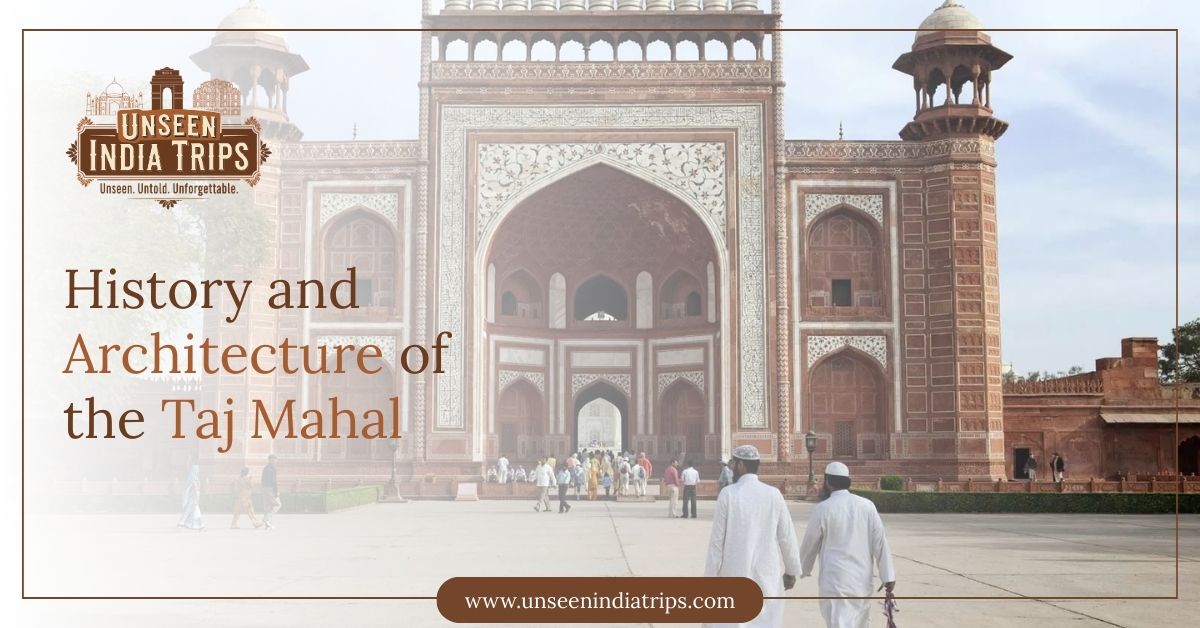
Undertaking a Taj Mahal Tour By Car is not just about visiting a monument—it’s a journey through history and architecture that reveals the profound legacy of the Mughal Empire. This mausoleum is much more than a beautiful structure; it is a symbol of eternal love, artistic excellence, and imperial ambition.
Historical Background
The Taj Mahal was commissioned in 1632 by the Mughal emperor Shah Jahan as a mausoleum for his beloved wife, Mumtaz Mahal, who died during childbirth. Completed in 1653, this masterpiece took over 20,000 artisans and craftsmen two decades to build. The monument reflects the apex of Mughal architectural creativity, combining Persian, Islamic, and Indian influences.
Architectural Features
The Taj Mahal is constructed primarily of white marble, inlaid with precious stones that shimmer in changing daylight. Its symmetrical design includes an imposing central dome, four slender minarets, delicate marble screens, and exquisitely detailed calligraphy. The entire complex is laid out as a charbagh garden—a Persian-style quadrilateral garden symbolizing paradise.
Symbolism and Cultural Significance
Every element of the Taj Mahal holds symbolic meaning. The reflecting pools and gardens express eternal tranquility, while the geometrical harmony represents perfect balance and order. The use of floral motifs and Quranic inscriptions adds spiritual dimensions, heightening the monument’s poetic appeal.
Touring the Taj Mahal
A Taj Mahal Tour By Car provides convenience and flexibility, allowing visitors to explore at their own pace. Beyond the main mausoleum, visitors can tour the Quranic museum, mosque, guesthouse, and surrounding gardens, each revealing deeper aspects of Mughal grandeur.
Legacy and Preservation
The Taj Mahal remains a UNESCO World Heritage Site and is protected as a Monument of National Importance. Ongoing conservation efforts ensure that its beauty and history endure for future generations. Visiting the Taj Mahal is a chance to witness a living symbol of India’s rich cultural heritage.
Conclusion
The Taj Mahal stands as an unparalleled testament to love, artistry, and architectural perfection. A guided Taj Mahal Tour By Car enriches your understanding and connection to this timeless monument, making your visit both inspiring and unforgettable.