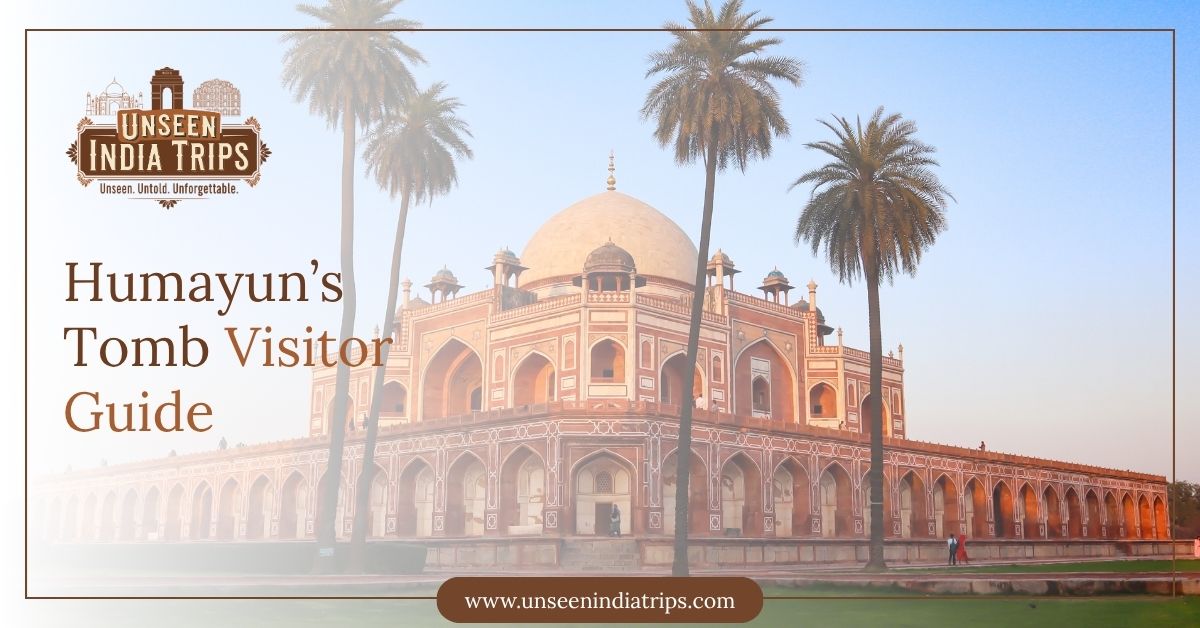
Humayun’s Tomb stands as a magnificent testament to Mughal architectural brilliance and has earned recognition as a UNESCO World Heritage Site. Built in 1570 by Humayun’s first wife, Bega Begum (later known as Haji Begum), this elegant structure represents the pinnacle of Mughal garden-tomb architecture and inspired the later construction of the iconic Taj Mahal. When exploring Delhi Tour Packages, Humayun’s Tomb offers a serene and artistically sophisticated experience.
Historical Background
Humayun, the second Mughal emperor, ruled from 1530 to 1556 but died in exile in 1556. His devoted first wife, Bega Begum, initiated the construction of his tomb nine years after his death, fulfilling her promise to create a magnificent monument in his memory. The project was completed under the supervision of Akbar, Humayun’s son, in 1570 and cost approximately 15 lakh rupees—an enormous sum for that era.
This tomb is historically significant as the first garden-tomb built in India, setting a precedent that would influence subsequent Mughal architecture. The grace, proportion, and architectural innovations evident in Humayun’s Tomb directly influenced Akbar’s architect Ustad Ahmad Lahori in designing the Taj Mahal over half a century later.
Architectural Significance
Garden Design (Char Bagh):
- Four-part garden layout (traditional Islamic design)
- Symmetrical arrangement with central water channels
- Garden divided into 16 smaller sections
- Cypress trees providing aesthetic and spiritual symbolism
- Reflecting pools creating visual harmony
- Total garden area: 30 acres
Main Mausoleum Structure:
- Height: 42.5 meters (139 feet)
- Double dome architecture (dome within dome)
- Red sandstone exterior with white and black marble inlay
- Four corner domes (chattris)
- Arched chambers on four sides
- Latticed screens (jali) providing intricate details
Architectural Features:
Arches and Vaults:
- High-quality arches using principles of Islamic architecture
- Corbelling techniques in vault construction
- Perfect geometric proportions
- Acoustic properties allowing sound projection
Marble Inlay (Pietra Dura):
- Semi-precious stones inlaid into red sandstone
- Intricate floral and geometric patterns
- Precious stones: jade, marble, crystal, turquoise
- Exceptional craftsmanship and precision
- Inspiration for Taj Mahal’s famous inlay work
Decorative Elements:
- Arabesque patterns (calligraphic designs)
- Geometric lattice work (jali)
- Floral motifs (flowers, fruits, vines)
- Inscription panels with Islamic calligraphy
- Balanced aesthetic between ornamentation and simplicity
Main Chamber:
- Central octagonal chamber
- Contains Humayun’s cenotaph
- Decorated with marble and semi-precious inlay
- Natural light filtering through jali screens
- Serene and spiritual atmosphere
Associated Structures
Mosque:
- Located on the west side
- Aligns with Islamic prayer direction (Qibla)
- Architectural harmony with main mausoleum
- Functional religious space
Guest House (Nipa):
- Northern side of complex
- Red sandstone and marble construction
- Housed visiting dignitaries
- Representative of Mughal hospitality architecture
Dara Shikoh’s Tomb:
- Humayun’s grandson’s monument
- Located within complex
- Architectural continuity with main tomb
Secondary Structures:
- Water reservoirs and fountains
- Gateways and entrances
- Pavilions (chhatris)
- Additional gardens
Practical Visitor Information
Location: Mathura Road, East Delhi Near Delhi Gate and close to several metro stations
Entry Fees:
- Indian citizens: ₹100
- Foreign tourists: ₹600
- Children (under 15): Free
- Video camera: ₹300
- Still photography: Free
Opening Hours:
- Daily: 9:00 AM to 5:00 PM
- Extended during summer: 9:00 AM to 6:00 PM
- Year-round operation
- Last entry: 30 minutes before closing
Best Time to Visit
Ideal Seasons:
- October to March: Pleasant weather
- Early morning (9-11 AM): Minimal crowds, soft light
- Weekdays: Prefer over weekends
- Late afternoon (3-5 PM): Golden hour photography
Avoid:
- Summer (April-June): Extreme heat
- Monsoon (July-September): Wet surfaces, reduced visibility
- Peak afternoon hours: Maximum crowd congestion
- Night visits: Monument not illuminated publicly
Garden Exploration
Main Garden (Char Bagh):
- North-south axis with central water channel
- East-west water features creating symmetry
- Walking paths throughout garden
- Shaded areas under cypress trees
- Benches for rest and contemplation
- Wildlife: peacocks, birds, butterflies
Photography in Garden:
- Stunning symmetrical compositions
- Water reflections create mirror images
- Monument visible through garden pathways
- Architectural elements framed by vegetation
- Best light during morning and late afternoon
Photography Tips
Best Photography Spots:
- Main gateway framing monument
- Garden pathways leading to tomb
- Close-ups of marble inlay work
- Architectural details of arches
- Reflection in water channels
- Chatri domes against sky
Technical Photography Advice:
- Wide-angle lens captures garden context
- Macro lens reveals marble inlay details
- Polarizing filter reduces marble glare
- Symmetrical composition emphasizing design
- Black-and-white photography highlights architecture
- Early morning side light enhances texture
Visiting Duration
Leisurely Visit (2-3 hours):
- Garden exploration
- Tomb interior viewing
- Photography time
- Quiet reflection
Comprehensive Visit (4-5 hours):
- Detailed garden walk
- Intricate marble study
- Associated monument exploration
- Extended photography session
- Meditation and contemplation
Indoor Exploration
Tomb Interior:
- Central chamber housing cenotaph
- Jali screen viewing
- Marble floor and walls
- Intricate carvings and inlay work
- Photography opportunities
- Respectful observation recommended
Chamber Details:
- Octagonal architecture
- Dome interior viewing
- Natural light through lattice screens
- Acoustic properties
- Spiritual atmosphere
Accessibility and Amenities
Facilities:
- Cafeteria with light snacks
- Drinking water stations
- Clean restrooms
- Information kiosks
- Souvenir shops
- Seating areas throughout
Accessibility:
- Partially wheelchair accessible
- Garden pathways suitable for strollers
- Some stairs present
- Limited facilities for differently-abled visitors
Guided Experiences
Audio Guides:
- Available at entrance
- Multiple language options
- ₹70 per device
- Comprehensive historical information
- Self-paced exploration
Human Guides:
- Official licensed guides available
- Charge approximately ₹400-₹600 per group
- Expert knowledge of architecture
- Historical anecdotes and context
- Group tours available
Combination Visits
When including Humayun’s Tomb in Delhi Tour Packages, combine with:
- Lodhi Garden: 1 kilometer away
- National Museum: 2 kilometers away
- India Gate: 3 kilometers away
- Jama Masjid: 4 kilometers away
Nearby Attractions:
- Lodhi Monuments (Muhammad Shah’s Tomb)
- Sikandar Lodi’s Tomb
- Bara Gumbad
- Daphne Hotel heritage walk
Dining Options
Inside Complex:
- Cafeteria with basic Indian snacks
- Beverages and light meals
- Reasonable prices
- Limited menu variety
Nearby Restaurants:
- Multiple dining options in East Delhi
- International and Indian cuisines
- Street food vendors
- Bakeries and cafes
Visitor Etiquette
- Modest dress recommended
- Respectful behavior in spiritual space
- No loud noise or disruption
- Photography respectfully conducted
- Avoid sitting on architectural elements
- Litter disposal in designated bins
- Respect prayer times if prayers occur
Safety Considerations
- Generally safe monument
- Crowded during peak hours
- Secure personal belongings
- Avoid isolated areas after sunset
- Use official guides or tours
- Inform someone of visiting plans
Getting There
By Metro:
- Violet Line: Pragati Maidan Station
- Yellow Line: Jor Bagh Station
- Red Line: New Delhi Station
- Auto or short walk from stations
By Auto Rickshaw:
- From central Delhi: ₹100-₹200
- From hotels: ₹150-₹300
- Negotiate rates beforehand
By Private Cab:
- Comfortable option
- Available through hotels
- Included in premium Delhi Tour Packages
Insider Tips
- Arrive early morning for peaceful experience
- Hire guide for architectural appreciation
- Study Mughal history before visiting
- Wear comfortable shoes for garden walking
- Bring water and sunscreen
- Visit during off-season for fewer crowds
- Spend time in garden meditation
Unique Features
- First garden-tomb in India
- Inspiration for Taj Mahal
- Exceptional marble inlay work
- Perfect garden symmetry
- Peaceful urban sanctuary
- UNESCO World Heritage recognition
- Well-preserved Mughal construction
Conclusion
Humayun’s Tomb represents the zenith of Mughal architectural grace and stands as a serene sanctuary within bustling Delhi. The harmonious integration of garden design, architectural precision, and artistic embellishment creates an atmosphere of profound beauty and historical significance. Every element—from the symmetrical gardens to the intricate marble inlay-speaks to Mughal craftsmanship and artistic vision. When booking Delhi Tour Packages, Humayun’s Tomb offers an enriching experience combining history, architecture, spirituality, and natural beauty. A visit here will leave you with lasting memories of Mughal grandeur and inspire appreciation for India’s architectural heritage.