Train travel through India offers authentic cultural experiences and practical transportation between destinations, but luggage security concerns understandably worry foreign travelers unfamiliar with Indian Railways protocols. While opportunistic theft exists, understanding risk factors, employing proper locking techniques, and following established monitoring practices dramatically reduce vulnerability. Whether you’re taking a same day Agra tour by train or longer journeys through the Golden Triangle, mastering luggage safety allows you to enjoy train travel’s benefits without constant anxiety about belongings.
Understanding the Risk Landscape
Theft on Indian trains occurs but remains less prevalent than travelers often fear. Millions of Indians travel daily carrying valuables, and the vast majority arrive at their destinations with their possessions intact. However, theft does happen, typically following predictable patterns that preparation and vigilance counter effectively.
High-Risk Situations:
Theft risk peaks during specific circumstances. Overnight journeys when passengers sleep create opportunities for thieves moving through carriages targeting inattentive travelers. Station stops, particularly longer ones at major junctions, allow unauthorized individuals to board briefly, grab bags, and disappear into station crowds. The period just before departure and immediately after departure sees an elevated risk, as confusion and passenger movement provide cover for opportunists.
Lower berths in AC 3-Tier and sleeper class carriages present a slightly higher risk than upper berths—bags stored under lower berths are more accessible to passersby in aisles—daytime travel when passengers are awake, and alert sees significantly lower theft incidence than overnight journeys.
Lower-Risk Scenarios:
AC First Class and AC 2-Tier compartments experience minimal theft. These classes feature lockable compartments, fewer passengers per space, and demographics (business travelers, families), creating watchful environments discouraging theft. Daytime trains like Shatabdi Express or Gatimaan Express, where passengers remain awake and alert throughout short journeys, rarely experience theft issues.
Traveling in groups or with families naturally increases security—multiple people watch belongings, and thieves avoid situations where several travelers might challenge them. Solo travelers require heightened vigilance, but shouldn’t feel paranoid—awareness and simple precautions suffice.
Physical Locking Solutions
Chain and Lock Systems:
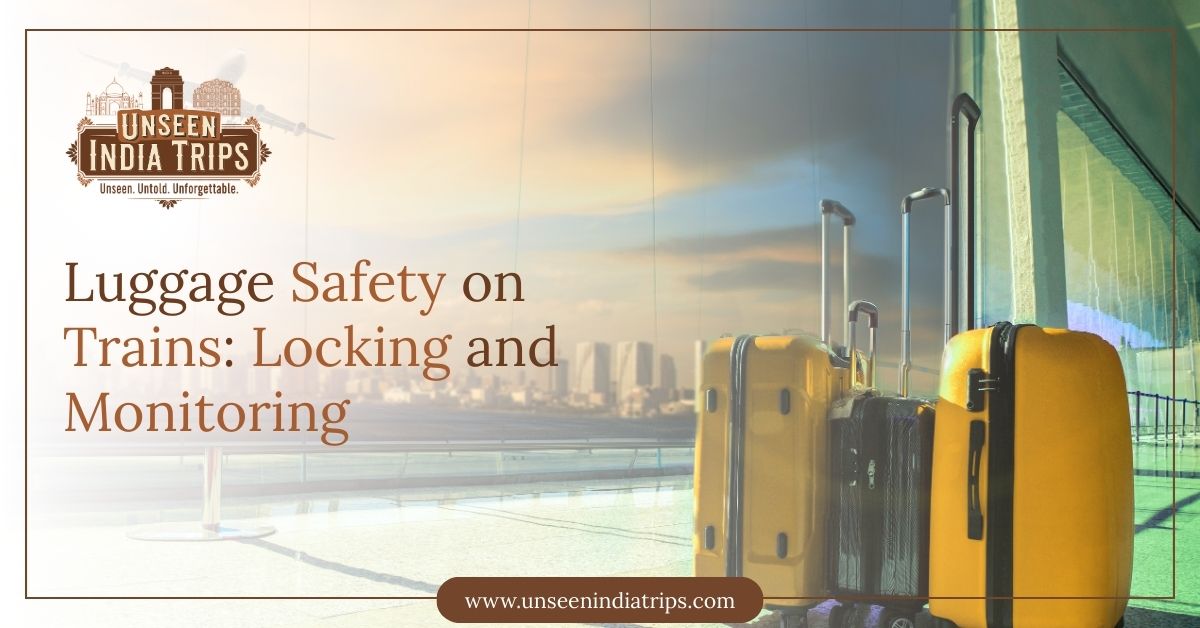
The most effective luggage security method involves chaining bags to permanent fixtures. Purpose-built steel cable locks (available at luggage stores or online) thread through bag handles, loops, or zippers, then secure to berth chains, luggage racks, or under-seat bars using combination or key padlocks.
Quality cables feature steel braiding resistant to cutting with basic tools. Choose cables at least 1.5-2 meters long, allowing flexibility in securing bags to various fixtures. Combination locks eliminate the risk of losing keys during travel, though some travelers prefer key locks, perceiving them as more secure. Choose locks with three or four-digit combinations offering thousands of possible combinations rather than simple three-number options.
TSA-Approved Locks:
While designed for airline security, TSA-approved locks secure zipper pulls on bags, preventing casual opening. They don’t prevent determined thieves from cutting bags, but deter opportunistic theft and signal that belongings are secured. For maximum protection, combine TSA locks on bag zippers with cable locks securing bags to fixtures.
Luggage Strap Systems:
Thick luggage straps with integrated locks wrap around the entire bag, preventing opening without unlocking. These add another barrier to quick theft attempts. Combined with cable locks securing bags to berths, layered security makes theft so time-consuming that thieves move to easier targets.
Luggage Covers:
While not security devices per se, luggage covers conceal bags’ contents and condition, reducing their appeal to thieves. Expensive-looking designer bags attract more attention than generic covered luggage. Covers also protect against casual dust and dirt inherent in train travel.
Strategic Luggage Placement
Lower Berth Storage:
Lower berths feature under-seat storage where bags slide beneath seats. This storage is convenient but accessible to anyone passing through the aisles. Always chain bags to under-berth bars before sleeping or leaving your berth. Never store valuables (electronics, passport, wallet) in under-berth luggage—keep these in small bags you physically control.
Upper Berth Storage:
Upper berths (middle and upper levels in 3-Tier configurations) store bags on overhead racks above berths. These locations are less accessible to passersby but not completely secure—thieves can reach overhead racks, particularly when passengers sleep. Chain bags to rack bars, and store them with zippers facing the wall, making access more difficult.
Personal Item Storage:
Keep a small bag containing valuables (passport, cash, electronics, jewelry, medications, important documents) physically with you at all times. Wear cross-body bags even while sleeping, place bags between your body and wall, or use bags as pillows—uncomfortable but secure. Never leave personal item bags unattended, even briefly.
For daytime journeys, keeping your small valuables bag on your lap or tightly between your feet provides secure storage without the need for a chain.
Monitoring and Vigilance Strategies
Pre-Departure Security:
Board trains 20-30 minutes before departure, allowing time to secure luggage properly before the rush of last-minute boarders and well-wishers creates chaos. Locate your seat/berth, chain bags immediately, and situate yourself comfortably with valuables secured.
Introduce yourself to your neighbors—friendly interactions create a community where people watch out for each other. Other passengers notice suspicious individuals approaching your belongings when you’re in the bathroom or dining car if they’ve established rapport with you.
During Journey Monitoring:
Maintain awareness of surroundings. Note who enters and exits your coach, particularly at station stops. Thieves often target bags during station stops when passengers disembark briefly for snacks, chai, or stretching—they grab bags and disappear into crowds before trains depart.
If leaving your berth for bathroom breaks or food purchases, ask trustworthy-appearing neighbors to watch belongings. Most passengers willingly assist, understanding reciprocal security benefits. For same day Agra tour by train or other short journeys, staying at your seat minimizes risk—you rarely need to leave except for brief bathroom visits.
Nighttime Precautions:
Overnight travel requires enhanced security. Before sleeping:
- Double-check all chains and locks
- Store valuables in a bag as a pillow or tucked beside you against the wall
- Keep phone and wallet in pockets rather than loose on the berth
- Set an alarm for major station stops—thieves often strike when trains are stopped, and noise covers their activities
- Sleep lightly if traveling alone, particularly in sleeper class
Some travelers use small motion-detector alarms attached to bags—if moved, the alarm sounds, startling thieves and alerting the sleeper. These inexpensive devices are available online and add another security layer.
Dealing with Theft Attempts
Recognizing Suspicious Behavior:
Thieves often work in teams. One distracts passengers with questions, seemingly innocent conversation, or offers of food/chai while accomplices target bags. Individuals loitering near your berth with no apparent destination, repeatedly walking past, or showing excessive interest in your belongings, warrant increased vigilance.
Trust instincts. If someone makes you uncomfortable, increase watchfulness, verify locks, and keep valuables closer. Don’t worry about seeming rude—security trumps politeness when protecting belongings.
If Theft Occurs:
Report theft immediately to Ticket Traveling Examiners (TTE) or Railway Protection Force (RPF) officers on the train. While recovery is unlikely, reports document incidents and may identify patterns, helping catch serial thieves.
At the next station, file a First Information Report (FIR) with the Government Railway Police (GRP). This formal police report is necessary for insurance claims. Get copies of all reports and note the report numbers.
Contact your embassy (especially if passports were stolen), credit card companies (cancel cards immediately), and travel insurance providers. Most insurance policies cover theft but require police reports and documentation of stolen items.
Passenger Class Considerations
AC First Class and AC 2-Tier:
These premium classes feature lockable compartments (First Class) or enclosed bays with curtains (2-Tier), providing inherent security advantages. Fewer passengers per space means everyone knows their compartment mates, creating natural watchfulness. Theft in these classes is rare, though never impossible.
Still employ basic security—lock bags and keep valuables with you—but the elevated risk requiring constant vigilance in lower classes is absent here.
AC 3-Tier:
This class balances economy and comfort but requires moderate vigilance. Open coach layouts and three-level berths mean more passengers and less inherent security than AC 2-Tier. Follow all standard security practices—chain bags, monitor station stops, sleep with valuables secured.
Sleeper Class:
Non-air-conditioned sleeper class requires maximum vigilance. Higher passenger density, open windows (allowing potential theft from outside during station stops), and diverse passenger demographics increase risk. If traveling in sleeper class, be especially diligent about physical security measures and maintain heightened awareness throughout the journey.
For foreign tourists, the modest cost difference between sleeper and AC 3-Tier rarely justifies the increased stress and security concerns the sleeper class presents.
Additional Security Measures
Travel Insurance:
Comprehensive travel insurance covering theft provides financial protection if prevention fails. Verify coverage includes belongings stolen from trains, understand deductibles, and know claim procedures. Keep receipts or documentation of valuable items, facilitating claims if theft occurs.
Digital Backups:
Photograph all important documents (passport, visa, tickets, hotel bookings, insurance policy). Store copies in cloud storage accessible from any device. If documents are stolen, digital backups speed replacement and minimize travel disruption.
Valuable Item Limitations:
Don’t carry more valuables than necessary. Expensive jewelry, unnecessary electronics, and large cash amounts increase both risk and loss if theft occurs. Credit cards (kept in multiple locations) provide safer payment methods than large cash amounts.
Photographic Evidence:
Before departure, photograph your luggage—especially expensive bags. Note serial numbers of electronics, cameras, and other valuable items. This documentation aids police reports and insurance claims if theft occurs.
Cultural and Psychological Considerations
Balancing Security and Experience:
While vigilance is important, paranoia diminishes travel experiences. Indian train travelers, both locals and tourists, successfully manage luggage security daily. Following standard precautions without obsessing allows enjoying the unique aspects of train travel—landscapes, interactions with fellow passengers, and the authentic experience of moving through India as Indians do.
Fellow Passenger Dynamics:
Most Indian passengers are honest people traveling legitimately. Many will proactively help protect your belongings, offer advice, or alert you to potential issues. Building rapport with fellow passengers through friendly conversation creates natural security networks, benefiting everyone.
Railway Staff Assistance:
Ticket Traveling Examiners, coach attendants, and Railway Protection Force officers are resources. If concerned about security, speak with them. They can provide advice specific to your journey, check in periodically, or simply knowing authority figures are aware of your presence deters potential thieves.
Train travel in India, including convenient same day Agra tour by train options, remains a safe, practical transportation method when travelers employ basic security measures. The key is layered security—physical locks, strategic placement, vigilant monitoring, and community awareness working together to minimize theft risk to acceptable levels. Thousands of foreign travelers successfully navigate Indian Railways annually with belongings intact by following these practices, allowing them to enjoy one of travel’s most authentic and memorable transportation experiences while maintaining peace of mind about their possessions’ security.