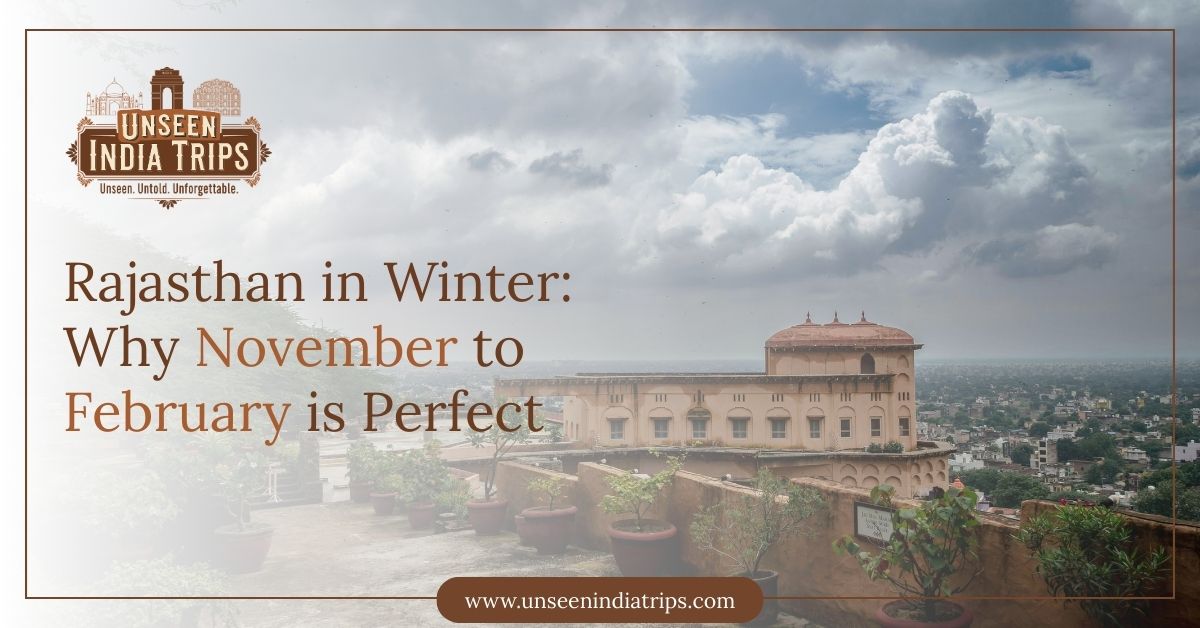
Rajasthan, India’s largest state, is a land of dramatic contrasts where golden deserts meet azure skies, ancient forts stand sentinel over bustling cities, and vibrant culture thrives in every corner. While this magnificent destination welcomes visitors year-round, the winter months from November to February offer the most rewarding travel experience. Understanding why this period stands out can help you plan an unforgettable journey through this royal land.
Ideal Weather Conditions
The primary reason winter reigns supreme for Rajasthan travel is the exceptional weather. From November through February, the state experiences pleasant temperatures that make exploration comfortable and enjoyable. Daytime temperatures typically range between 20-27°C (68-80°F), perfect for sightseeing without the exhausting heat that characterizes other seasons.
Mornings and evenings bring cooler temperatures, sometimes dipping to 8-12°C (46-54°F) in desert areas, creating a refreshing atmosphere ideal for outdoor activities. Unlike summer when temperatures soar above 45°C (113°F), winter allows you to explore forts, palaces, and markets without constantly seeking shade or battling dehydration.
The clear blue skies characteristic of winter months provide excellent visibility for photography and sightseeing. The crisp air ensures monuments like Mehrangarh Fort, Amber Palace, and City Palace appear sharp and vivid against cloudless horizons. Sunrise and sunset during winter months are particularly spectacular, painting the desert landscape in breathtaking hues.
Desert Safari Perfection
Winter transforms Rajasthan’s desert regions into magical destinations. The Thar Desert, particularly around Jaisalmer and Bikaner, becomes incredibly inviting when cooler temperatures replace scorching heat. Camel safaris, a quintessential Rajasthan experience, are far more enjoyable when you’re not battling intense sun exposure.
Desert camping reaches its peak during winter months. Sleeping under star-filled skies is comfortable when temperatures are cool rather than cold or unbearably hot. Many luxury and budget desert camps operate at full capacity during this season, offering cultural performances, traditional Rajasthani cuisine, and authentic experiences around crackling bonfires.
Jeep safaris across sand dunes become adventure highlights rather than endurance tests. The golden sands of Sam, Khuri, and Osian shimmer beautifully in winter sunlight, and the experience of watching sunset over undulating dunes becomes truly mesmerizing when accompanied by pleasant weather.
Festival Season Extravaganza
Winter coincides with Rajasthan’s most vibrant festival period. The state comes alive with celebrations that offer deep cultural immersion and photographic opportunities unmatched during other seasons.
The Pushkar Camel Fair, typically held in November, is one of world’s most extraordinary festivals. This massive gathering combines livestock trading, cultural performances, camel races, and religious rituals around Pushkar’s sacred lake. The spectacle of thousands of camels, colorful turbans, traditional attire, and folk performances creates an unforgettable experience.
The Desert Festival in Jaisalmer, usually celebrated in January or February, showcases Rajasthani culture through folk music, dance performances, camel polo, turban-tying competitions, and Mr. Desert contests. The festival transforms the golden city into a carnival of colors and traditions.
Winter months also see numerous local fairs and religious celebrations across different cities. These festivals provide authentic glimpses into Rajasthan’s living traditions, making your visit far more enriching than simply touring monuments.
Comfortable Sightseeing
Rajasthan’s architectural treasures demand extensive walking and climbing. Forts like Mehrangarh in Jodhpur, Amber Palace in Jaipur, and Kumbhalgarh with its impressive walls require several hours of exploration. Winter weather makes these experiences pleasant rather than exhausting.
Many of Rajasthan’s palaces and forts feature large open courtyards and terraces with minimal shade. During summer, these spaces become uncomfortably hot by mid-morning. Winter allows you to explore these areas throughout the day without heat-related discomfort.
The intricate havelis of Jaisalmer, Mandawa, and Bikaner reward slow, detailed observation. Winter temperatures encourage leisurely exploration, allowing you to appreciate carved facades, painted frescoes, and architectural details without rushing to escape heat.
Markets and bazaars form an essential part of Rajasthan experience. Winter evenings are perfect for browsing textile shops in Jaipur, jewelry stores in Bikaner, or handicraft markets in Udaipur. The pleasant weather encourages lingering, bargaining, and interacting with artisans.
Wildlife Viewing Opportunities
Rajasthan hosts several excellent wildlife sanctuaries and national parks that become particularly rewarding during winter. Ranthambore National Park, famous for tiger sightings, sees increased wildlife activity during cooler months as animals venture out more frequently for water and hunting.
Keoladeo National Park (Bharatpur Bird Sanctuary) transforms into a birdwatcher’s paradise during winter when thousands of migratory birds arrive from Siberia, Central Asia, and Europe. Species like Siberian Cranes, Greater Flamingos, and Rosy Pelicans can be spotted alongside resident species.
Desert National Park near Jaisalmer offers unique desert ecosystem experiences. Winter is ideal for spotting Great Indian Bustards, desert foxes, and various reptile species that become less active during extreme heat.
Lake Cities at Their Best
Udaipur and Pushkar, Rajasthan’s beautiful lake cities, are particularly enchanting during winter. The lakes remain full from monsoon rains, creating perfect reflections of surrounding palaces and temples. Boat rides on Lake Pichola or Fateh Sagar Lake become romantic experiences in pleasant weather.
The heritage hotels around these lakes, many converted from royal palaces, feature rooftop restaurants and lakeside courtyards that are delightful during winter evenings. Enjoying sunset views over sparkling waters while sipping chai becomes a cherished memory.
Perfect for All Age Groups
Winter’s moderate temperatures make Rajasthan accessible for travelers of all ages. Families with young children find winter travel less challenging, as kids handle sightseeing better without extreme heat. Elderly travelers appreciate comfortable conditions that don’t strain physical endurance.
Long travel days between cities become more bearable when temperatures inside vehicles remain comfortable. Many travelers choosing Rajasthan tour packages appreciate that winter allows fuller itineraries without weather-related cancellations or modifications.
Photography Excellence
Professional and amateur photographers particularly favor winter for several reasons. The angle of winter sunlight creates excellent conditions throughout the day, not just during golden hours. The warm, directional light enhances the colors of Rajasthan’s architecture—the pink sandstone of Jaipur, the blue houses of Jodhpur, and the golden fort of Jaisalmer all photograph beautifully.
Clear winter skies provide perfect backdrops for architectural photography. The reduced haze and dust compared to summer months ensure sharp, vivid images. The slightly longer golden hours during winter provide extended opportunities for capturing monuments in beautiful light.
Street photography benefits from festivals and increased tourist activity. The colorful traditional attire worn during winter festivals adds vibrant elements to photographs. Desert landscapes photograph spectacularly during winter when shadows are longer and light is softer.
Practical Considerations
While winter is ideal, some practical aspects deserve consideration. This peak season means higher demand for accommodations, requiring advance booking for popular hotels and heritage properties. Popular Rajasthan tour packages fill quickly, necessitating early planning.
Mornings and evenings can be quite cold, especially in desert regions. Packing layers is essential—warm jackets for morning camel safaris, lighter clothing for afternoon sightseeing. Desert areas experience significant temperature variations between day and night.
The November-February period coincides with holiday seasons and long weekends, increasing both domestic and international tourist numbers. Popular attractions like Amber Fort and City Palace see heavier crowds. Booking tickets online and visiting early morning or late afternoon can help avoid peak crowds.
Why This Season Stands Out
Winter fundamentally transforms how you experience Rajasthan. The comfortable weather converts potentially exhausting activities into enjoyable adventures. You can spend entire days exploring without heat fatigue, participate in outdoor activities without discomfort, and genuinely savor each experience rather than merely surviving it.
The convergence of perfect weather, vibrant festivals, active wildlife, and cultural celebrations creates synergy that makes winter visits far superior to other seasons. Rajasthan reveals its true character during these months—welcoming, colorful, and magical.
Conclusion
Rajasthan in winter offers travelers the perfect combination of comfortable weather, cultural vibrancy, and natural beauty. November through February provides conditions that enhance every aspect of travel—from sightseeing and photography to wildlife viewing and cultural immersion. Whether you’re exploring grand forts, experiencing desert life, attending colorful festivals, or simply soaking in the royal atmosphere, winter ensures your Rajasthan journey becomes truly memorable. The investment in travel during peak season pays dividends through comfort, accessibility, and experiences that simply aren’t possible during extreme summer heat or unpredictable monsoon conditions.