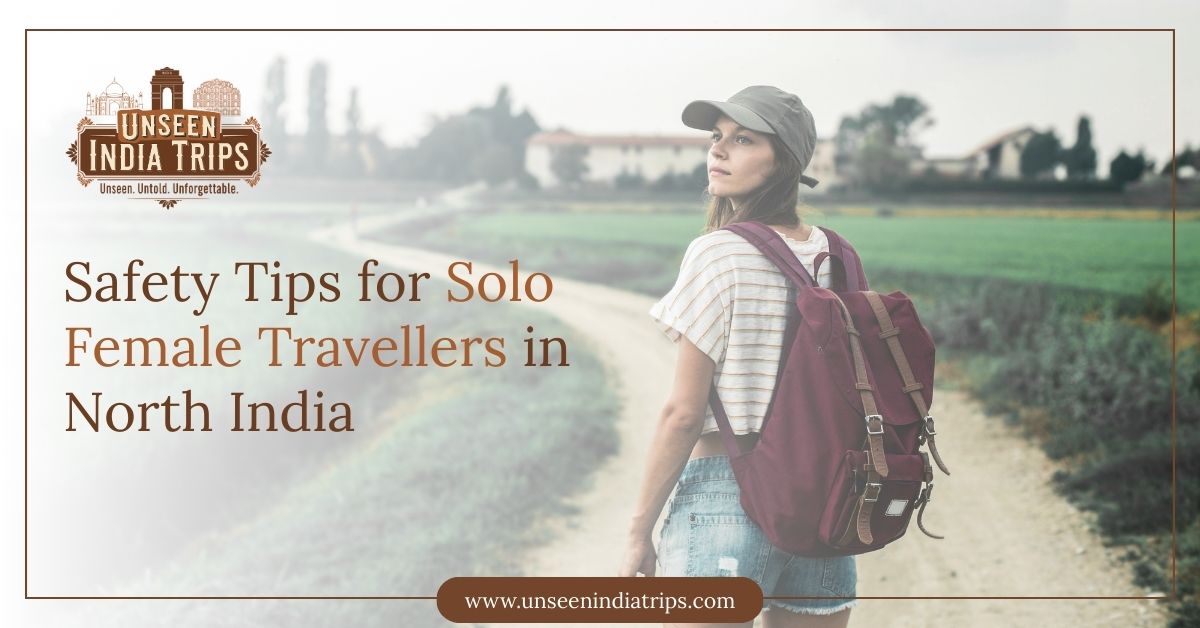
North India, with its magnificent monuments, vibrant culture, and rich history, attracts thousands of solo female travelers annually. While the region offers extraordinary experiences from the Taj Mahal to the Himalayan foothills, traveling safely requires awareness, preparation, and practical strategies. This comprehensive guide provides honest, actionable advice to help solo female travelers navigate North India confidently while minimizing risks and maximizing the incredible experiences this diverse region offers.
Understanding the Ground Reality
North India presents a complex picture for solo female travelers. Major tourist destinations like Delhi, Agra, Jaipur, Udaipur, and Varanasi host thousands of international women travelers successfully each year. Simultaneously, these areas require heightened awareness compared to many Western destinations due to different cultural norms, varying attitudes toward women’s independence, and occasional safety incidents.
The vast majority of interactions you’ll have will be positive and respectful. Indian hospitality is genuine, and countless locals will go out of their way to help you. However, unwanted attention, staring, and occasional harassment do occur, particularly in crowded public spaces. Understanding this reality allows you to prepare appropriately without being paralyzed by fear.
Cultural differences explain many uncomfortable situations. Public displays of affection are uncommon in traditional Indian society, and women traveling independently remain relatively rare outside major tourist circuits. This visibility can attract attention—sometimes curiosity, sometimes inappropriate. Recognizing the difference helps you respond appropriately.
Pre-Trip Planning and Preparation
Research Your Destinations Thoroughly
Different North Indian destinations present varying safety profiles. Generally:
- Established tourist towns (Jaipur, Udaipur, Agra) have better infrastructure and more experience hosting solo female travelers
- Major cities (Delhi, Chandigarh) require higher vigilance due to size and anonymity
- Smaller towns and rural areas may involve more staring but often feel safer due to tight-knit communities
- Hill stations (Shimla, Manali, Dharamshala) generally feel comfortable for solo female travelers
Research specific neighborhoods within cities. Delhi’s Paharganj, while budget-friendly, has a reputation for harassment. Safer alternatives include Hauz Khas, Saket, or areas near major hotels.
Choose Accommodations Wisely
Accommodation significantly impacts your safety and comfort. Prioritize:
- Hotels and guesthouses with strong reviews from solo female travelers on platforms like TripAdvisor and Booking.com
- Properties with 24-hour reception and security staff
- Rooms with secure locks, preferably on higher floors away from street access
- Well-lit entrances and corridors
- Locations in safer neighborhoods even if paying slightly more
Women-only hostels and homestays with families offer additional comfort for solo travelers. Many cities now feature such options specifically catering to female travelers seeking safe, social environments.
Book Reliable Transportation
Transportation represents a significant safety consideration. When planning Indian tour packages or independent travel, prioritize:
- Pre-booked airport transfers rather than negotiating with unknown drivers upon arrival
- Reputable car rental services with driver (Savaari, Zoomcar with driver, hotel arrangements)
- Train travel in AC classes (2AC, 3AC) rather than general compartments
- Official prepaid taxi services at airports and railway stations
Avoid arriving in new cities after dark when possible. If unavoidable, arrange reliable transportation to your accommodation beforehand.
Share Your Itinerary
Maintain a detailed itinerary shared with family or friends back home, including:
- Accommodation details with addresses and phone numbers
- Transportation bookings and expected arrival times
- Daily plans and destinations
- Emergency contact numbers for your embassy
Update contacts regularly about changes to plans. This simple practice provides both safety and peace of mind.
Dressing Appropriately
Clothing choices significantly impact your experience in North India. While major tourist areas show tolerance for various styles, modest dressing reduces unwanted attention and shows cultural respect.
General Guidelines:
- Cover shoulders and knees as a baseline
- Avoid tight or revealing clothing, particularly in religious sites
- Loose, flowing fabrics (cotton kurtas, palazzo pants, maxi skirts) are comfortable, modest, and culturally appropriate
- Scarves serve multiple purposes: covering head in religious sites, additional modesty when needed, sun protection
Context Matters:
- Upscale hotels, international restaurants, and cosmopolitan areas allow more Western-style clothing
- Local markets, religious sites, and smaller towns require conservative dress
- Carry a large scarf for quick coverage when entering temples or navigating conservative areas
Practical Considerations: Indian clothing (kurtas, salwar kameez) offers comfort in heat while providing modesty. Shopping for these items locally is affordable and helps you blend in. Many travelers find they prefer these comfortable options even in situations where Western clothing would be acceptable.
Transportation Safety Strategies
Auto-Rickshaws and Taxis
- Use app-based services (Uber, Ola) when available—they provide driver details, route tracking, and accountability
- For traditional taxis, use prepaid services at airports and railway stations
- Sit in the back seat, never the front
- Share your ride details with someone before departing
- Keep phone charged and accessible during rides
- Trust your instincts—if a driver makes you uncomfortable, exit safely at a public location
Avoid sharing auto-rickshaws with strangers, regardless of cost savings. The minimal expense isn’t worth potential risks.
Trains
Indian trains offer generally safe transportation, especially in reserved classes:
- Book AC classes (2AC, 3AC) which are more comfortable and safer
- Lower berths are preferable for easier access and quick exit if needed
- Women-only compartments exist in some trains and metros—utilize them
- Keep valuables secure and within sight
- Avoid traveling overnight on trains when possible; if unavoidable, choose lower berths near families or other women
Buses
Public buses can be crowded and uncomfortable. Consider:
- Private AC buses over government buses for longer journeys
- Volvo and other premium services offer more comfort and safety
- Avoid standing in crowded buses where inappropriate touching is more likely
- Keep bags in front of you, never behind
Navigating Public Spaces
Handling Staring
Staring is perhaps the most frequently reported discomfort for foreign women in India. While uncomfortable, it’s usually non-threatening curiosity rather than menacing. Responses include:
- Wearing sunglasses to avoid eye contact
- Confidently ignoring and continuing your activity
- A firm “What?” in local language sometimes works
- Moving to different areas if particular groups make you uncomfortable
Dealing with Inappropriate Behavior
If experiencing harassment, groping, or aggressive behavior:
- Make a loud scene—public shaming is effective in Indian culture
- Shout “छोड़ो!” (Chhodo – “Leave me!”) or “मदद!” (Madad – “Help!”)
- Seek help from nearby women, shopkeepers, or police
- Document incidents with photos/video when safe to do so
- Report serious incidents to police and your embassy
Indian women have successfully used the “make a scene” approach to combat harassment, as public shame carries significant weight.
Markets and Crowded Places
- Keep bags in front of you, across your body
- Avoid displaying expensive jewelry, cameras, or electronics unnecessarily
- Be aware of surroundings in crowded areas where pickpocketing occurs
- Walk purposefully as if you know where you’re going
- Consider visiting popular markets with companions met at your accommodation
Social Interactions and Cultural Sensitivity
Interacting with Local Men
Cultural norms around gender interaction differ from Western contexts:
- Physical contact, even handshakes, may be misinterpreted as romantic interest
- Maintain appropriate distance in conversations
- Avoid prolonged eye contact, which can be seen as flirtatious
- Be cautious about accepting invitations to isolated locations
- Restaurant or café meetings in public spaces are safer for getting to know locals
Making Friends Safely
Solo travel needn’t be lonely. Safe socializing options include:
- Connecting with other travelers at your accommodation
- Joining organized tours and activities where you meet fellow travelers
- Participating in cooking classes, yoga sessions, or workshops
- Using reputable travel meetup apps cautiously
- Engaging with female locals through homestays or women-led tours
Alcohol Consumption
Women drinking alcohol remains somewhat taboo in traditional Indian society. Consider:
- Limiting alcohol consumption in public spaces outside tourist areas
- Drinking only in hotel bars, upscale restaurants, or your accommodation
- Never leaving drinks unattended
- Avoiding walking alone after drinking
- Understanding that intoxicated women may attract unwanted attention
Specific Destination Advice
Delhi
India’s capital requires maximum vigilance. Safe areas include diplomatic enclaves, Hauz Khas Village, Khan Market, and areas near major hotels. Use metro women’s compartments during rush hours. Avoid isolated areas after dark, particularly in Old Delhi. Pre-book transportation and stay alert in crowded markets.
Agra
Relatively safe tourist town but persistent touts and aggressive vendors are common. Stay near the Taj Mahal area, use recommended guides, and firmly decline unsolicited offers. Walking alone to the Taj Mahal for sunrise is generally safe on main roads.
Jaipur
Tourist-friendly city with good infrastructure. Pink City (old city) is safe during daytime but use caution after dark. Amer Fort area requires vigilance regarding overcharging and pushy vendors. The newer areas of the city feel very safe.
Udaipur
Perhaps North India’s most comfortable city for solo female travelers. The Lake Pichola area is walkable, friendly, and generally safe. Still maintain standard precautions, but the atmosphere is notably relaxed.
Varanasi
Intense, crowded, overwhelming city that challenges even experienced travelers. The ghats are generally safe during daytime. Narrow lanes require attention to navigation and avoiding vehicles. Consider organized Indian tour packages for initial orientation in this complex city.
Rishikesh and Dharamshala
Himalayan foothills towns attract international yoga and spiritual seekers, creating comfortable environments for solo female travelers. These areas feel safe and welcoming, though standard precautions remain important.
Technology and Communication
Essential Apps:
- Google Maps for navigation and location sharing
- Uber/Ola for transportation
- TripAdvisor for reviews and recommendations
- WhatsApp for communication with accommodations and tour operators
- Embassy emergency contact apps
Staying Connected:
- Purchase local SIM card immediately upon arrival
- Keep phone charged with portable battery backup
- Save emergency numbers: local police (100), women’s helpline (1091), ambulance (102)
- Share live location with trusted contacts during transportation
Health and Wellbeing
Medical Considerations:
- Carry basic first aid supplies and regular medications
- Know locations of reputable hospitals in each destination
- Consider travel health insurance with evacuation coverage
- Be cautious with street food initially; build tolerance gradually
- Stay hydrated, particularly in hot months
Mental Health: Travel in India can be emotionally intense. Recognize signs of overwhelm and take breaks. It’s perfectly acceptable to:
- Spend days at your hotel resting
- Skip crowded attractions that feel uncomfortable
- Modify your itinerary based on energy levels
- Leave destinations earlier than planned if not feeling safe or comfortable
Building Confidence
Many solo female travelers successfully and joyfully explore North India annually. Building confidence involves:
- Starting with easier destinations (Udaipur, Jaipur) before tackling more challenging ones (Delhi, Varanasi)
- Joining organized tours initially to gain confidence before fully independent travel
- Connecting with other solo female travelers for shared experiences
- Trusting your instincts—if something feels wrong, remove yourself from the situation
- Celebrating small victories and learning from challenges
The rewards of solo travel in North India—deep cultural immersion, incredible historical sites, transformative experiences, and personal growth—outweigh the challenges for thousands of women who successfully navigate this region each year.
Final Thoughts
Solo female travel in North India requires awareness, preparation, and cultural sensitivity, but is absolutely achievable and rewarding. The vast majority of visitors navigate the region without serious incidents by following sensible precautions. By researching thoroughly, dressing appropriately, choosing reliable accommodations and transportation through reputable Indian tour packages or carefully selected independent options, and trusting your instincts, you can explore North India’s extraordinary attractions while maintaining your safety and wellbeing. The key is approaching your journey with both open enthusiasm for incredible experiences and realistic awareness of cultural differences and potential challenges.