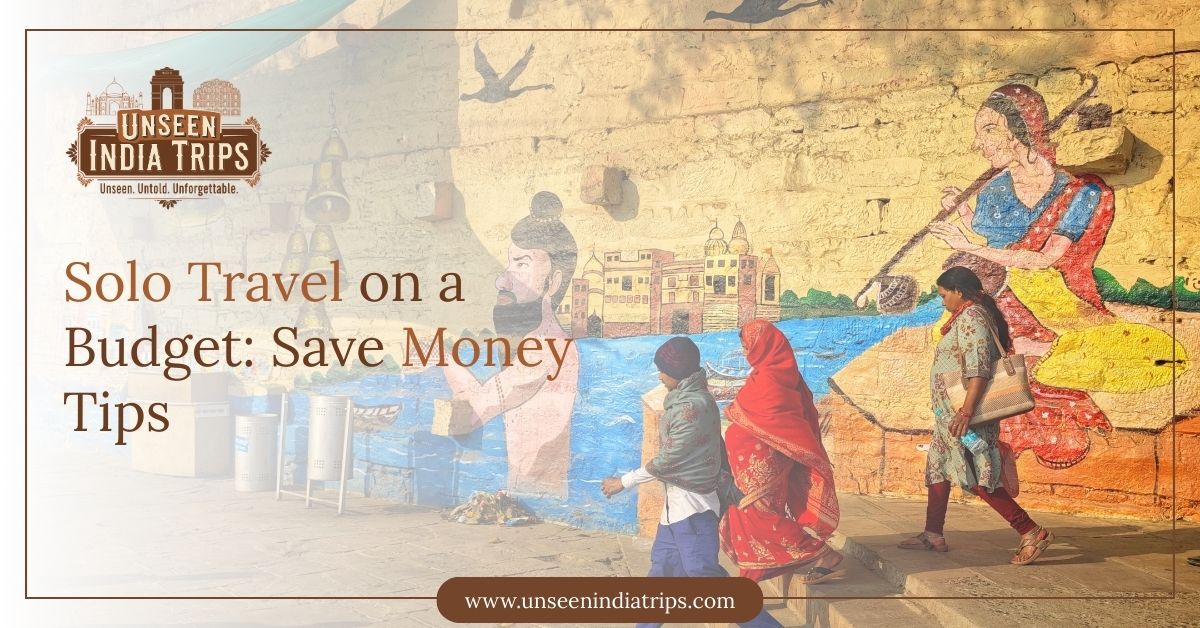
Solo travel represents one of life’s most rewarding experiences—the freedom to create your own schedule, the opportunity for deep self-reflection, and the chance to connect authentically with local cultures and fellow travelers. However, the perception that solo travel costs significantly more than group travel often prevents people from taking that first independent journey. The reality is that solo travel can be remarkably affordable when you employ smart strategies, make informed choices, and embrace budget-friendly alternatives without sacrificing quality experiences. This comprehensive guide reveals tested techniques to make solo travel accessible regardless of your financial situation.
Pre-Trip Planning: Where Savings Begin
Choose Budget-Friendly Destinations
Not all destinations cost equally. Some countries and regions offer exceptional value for budget travelers, while others drain wallets rapidly. India, Southeast Asia, Central America, and Eastern Europe provide incredible experiences at fraction of costs compared to Western Europe, Japan, or Scandinavia.
Within expensive countries, certain cities prove more affordable than others. Research cost-of-living indices for potential destinations. Websites like Numbeo provide detailed breakdowns of typical expenses—meals, transportation, accommodation—helping you identify where your money stretches furthest.
India particularly stands out as a budget solo traveler’s paradise, where daily expenses can range from $20-40 including accommodation, food, and transportation. The diversity of experiences—from Himalayan treks to tropical beaches, from ancient monuments to vibrant cities—combined with affordability makes it ideal for extended budget travel.
Travel During Shoulder Season
Timing dramatically impacts costs. Peak season means higher accommodation rates, crowded attractions, and inflated prices across services. Shoulder season (periods between peak and off-season) offers the sweet spot: reasonable weather, fewer crowds, and significantly lower prices.
For India, shoulder seasons are February-March and September-October—pleasant weather without winter peak crowds or monsoon challenges. Accommodation costs drop 30-50%, flights are cheaper, and you’ll negotiate better rates for private transportation and guides.
Off-season travel offers even greater savings but may involve weather compromises. Monsoon India or European winter might not suit everyone, but if you’re flexible, the savings are substantial.
Flexible Travel Dates Save Money
Rigid travel dates limit your ability to capitalize on deals. Flexibility allows you to:
- Book flights during fare sales
- Travel mid-week when prices drop
- Adjust trips by a few days to catch significant discounts
- Take advantage of last-minute deals
Use flight comparison tools with flexible date search options. Sometimes shifting departure by just one day saves hundreds of dollars. For employment-bound travelers, maximizing public holidays and weekends extends trips without using excessive vacation days.
Set a Realistic Daily Budget
Establishing a daily budget before departure prevents overspending and provides spending guardrails. Research typical costs in your destination and set realistic limits for:
- Accommodation
- Food
- Transportation
- Activities and entrance fees
- Miscellaneous expenses
Track spending daily using apps like Trail Wallet or simple spreadsheets. Awareness prevents budget creep and allows adjustments before overspending becomes significant.
Accommodation Strategies
Hostels: Not Just for Young Backpackers
Hostels have evolved far beyond dingy dorm rooms. Modern hostels offer private rooms, excellent facilities, and vibrant social atmospheres perfect for solo travelers. Benefits include:
- Significantly cheaper than hotels ($5-20 per night in budget destinations)
- Built-in social opportunities meeting fellow travelers
- Communal kitchens for cooking your own meals
- Free activities and tours organized by hostel staff
- Local knowledge from staff and other guests
Many hostels now cater to older travelers and professionals with quieter sections, better privacy options, and refined amenities. Don’t let stereotypes prevent you from considering this affordable option.
Alternative Accommodation Platforms
Beyond traditional hostels and hotels, explore:
Couchsurfing: Free accommodation staying with locals who offer spare rooms or couches. Beyond saving money, you gain insider perspectives and authentic cultural connections. Safety concerns exist, so read profiles carefully, verify references, and trust your instincts.
House-sitting: Websites like TrustedHousesitters connect travelers with homeowners needing someone to watch their property and pets. Free accommodation in exchange for responsible house care and pet sitting.
Homestays: Particularly popular in Asia, homestays provide rooms in local family homes. More affordable than hotels while offering cultural immersion and home-cooked meals.
Camping: Where permitted and safe, camping drastically reduces accommodation costs. Southeast Asia, parts of India, and many Western countries have affordable or free camping options.
Negotiate Long-term Stays
Planning to stay in one location for a week or more? Negotiate directly with accommodation owners for discounts. Many hotels and guesthouses offer 20-40% discounts for weekly or monthly stays. This strategy works particularly well in budget destinations and shoulder/off-season periods.
Direct negotiation often yields better rates than booking platforms, as owners avoid commission fees. Call or email accommodations directly, explain your extended stay plans, and ask about long-term rates.
Transportation Savings
Book Flights Strategically
Flight costs often represent the largest single travel expense. Maximize savings through:
Price comparison tools: Use Skyscanner, Google Flights, and Momondo to compare prices across airlines and dates. Set price alerts for desired routes.
Budget airlines: Low-cost carriers sacrifice frills but offer dramatically cheaper fares. Factor in baggage fees and other charges, but even with extras, budget airlines typically cost less.
Alternative airports: Major cities often have secondary airports served by budget carriers. Flying to these alternatives and taking ground transportation to your destination may save significantly.
Positioning flights: Sometimes booking two separate one-way tickets proves cheaper than round-trip. Or fly to a nearby major hub, then take budget airlines or overland transport to your actual destination.
Frequent flyer programs: Even budget travelers accumulate miles. Sign up for airline loyalty programs and credit cards offering travel rewards. Over time, these points fund free or discounted flights.
Embrace Slow Travel
Speed costs money. Rushing between destinations increases transportation expenses and reduces time to find deals or negotiate prices. Slow travel—spending weeks rather than days in each location—provides multiple benefits:
- Negotiate better accommodation rates for long stays
- Discover affordable local restaurants beyond tourist areas
- Find free or cheap local activities
- Reduce transportation costs between destinations
- Deeper cultural immersion and more meaningful experiences
Use Local Transportation
Tourist transportation—private taxis, tourist buses, organized tours—costs significantly more than local options. Embrace how locals travel:
Public buses and trains: Dramatically cheaper than private options. Yes, they’re crowded and less comfortable, but they’re authentic experiences and massive money savers.
Metro systems: Major cities worldwide have affordable, efficient metro systems perfect for budget travelers.
Shared transportation: Shared taxis, jeepneys, tuk-tuks, and other local shared transport options cost fraction of private rides.
Walking and cycling: The ultimate budget transportation. Many cities offer bike rental or bike-sharing programs. Walking is free, healthy, and the best way to discover hidden gems.
For longer distances where comfort matters, overnight trains or buses combine transportation and accommodation, saving both money and time.
Food and Dining Strategies
Eat Like Locals
Tourist restaurants in popular areas charge premium prices for mediocre food. Venture where locals eat—neighborhood eateries, market food stalls, and family-run restaurants—for authentic cuisine at local prices.
Ask accommodation staff, guides from India tour packages, or friendly locals for restaurant recommendations. Language barriers may exist, but pointing at what others are eating and using translation apps manages most situations.
Street food, when chosen carefully (busy vendors, freshly cooked food, high turnover), provides incredible meals for minimal cost. Some world’s best food comes from street stalls, not fancy restaurants.
Cook Your Own Meals
Accommodation with kitchen access dramatically reduces food costs. Shop at local markets where fruits, vegetables, and staples cost far less than tourist areas. Cooking even one meal daily saves substantially over weeks of travel.
Markets also provide cultural experiences and opportunities to interact with locals. Even if you’re not naturally inclined to cook, simple meals—pasta, rice dishes, sandwiches, salads—require minimal skills and save money.
Breakfast Inclusions
When comparing accommodation, factor in breakfast inclusions. Hotels offering complimentary breakfast provide excellent value. Load up on substantial breakfast, carry fruit for snacks, and you’ve eliminated one or two meals from daily costs.
Picnics and Self-Service
Prepare picnics from market ingredients and enjoy meals in parks, by landmarks, or scenic locations. This strategy saves money while creating memorable dining experiences. Many of Europe’s most expensive cities become affordable when you picnic regularly.
Strategic Splurging
Budget travel doesn’t mean never enjoying quality meals. Allocate occasional splurges—perhaps one nice meal weekly—as budget allows. This balanced approach maintains morale while keeping overall costs manageable. Local lunch specials often provide same quality as dinner at fraction of the price.
Activity and Entertainment Savings
Free Attractions and Experiences
Every destination offers free activities if you know where to look:
Free walking tours: Many cities offer tip-based walking tours providing excellent orientation and information. Tip guides based on quality and budget.
Museums with free days: Research museum free entry days or times. Many European museums offer free admission certain days monthly or evenings weekly.
Parks and nature: Beaches, parks, gardens, hiking trails, and natural attractions often cost nothing to enjoy.
Religious sites: Most temples, churches, mosques, and religious sites welcome visitors free of charge.
Local festivals and events: Check local event calendars for free concerts, festivals, markets, and cultural celebrations.
City viewpoints: Instead of expensive observation decks, find free viewpoints—hilltops, bridges, tall buildings with accessible roofs or terraces.
Prioritize Paid Attractions
Can’t see everything in limited time and budget. Research attractions beforehand and prioritize what genuinely interests you. Skip tourist traps and attractions that don’t align with your interests simply because guidebooks recommend them.
Many tour packages in India include major monument entrance fees, providing value compared to independent admission purchases. When these bundled options exist, calculate whether they save money versus independent exploration.
Student and Youth Discounts
Valid student IDs often provide discounts on transportation, accommodation, attractions, and activities regardless of age. International Student Identity Card (ISIC) is recognized globally. Even without student status, youth cards (under 26-30 depending on country) offer similar benefits.
Always ask about discounts—senior rates, resident rates (if staying long-term), off-peak rates—many exist but aren’t advertised.
Money Management
Use Fee-Free Payment Methods
Foreign transaction fees and ATM charges drain budgets. Use:
Fee-free credit and debit cards: Many banks now offer cards without foreign transaction fees. Research options before traveling.
ATM strategy: Withdraw larger amounts less frequently to minimize per-transaction fees. Use ATMs affiliated with major banks rather than independent machines that charge premium fees.
Notify banks of travel: Prevent card blocks by informing banks of travel plans beforehand.
Local currency: Always pay in local currency rather than your home currency when given the option. Dynamic currency conversion offers terrible exchange rates.
Track exchange rates: Use apps like XE Currency to monitor rates and exchange money when rates are favorable.
Budget Tracking Apps
Technology simplifies budget management. Apps like Trail Wallet, Splitwise (for shared expenses), or simple spreadsheets track spending in real-time. Regular review prevents overspending and identifies areas where you can cut costs if needed.
Social Connection Without Spending
Meet Fellow Travelers
Solo doesn’t mean lonely. Connect with other travelers through:
Hostel common areas: Natural meeting places for solo travelers. Join communal dinners, game nights, or organized activities.
Meetup.com and Couchsurfing events: Free or low-cost social gatherings in most major cities.
Free walking tours: Meet like-minded travelers while learning about the destination.
Social media travel groups: Facebook groups and forums connect travelers, often leading to shared experiences and cost-splitting opportunities.
Share Costs When Beneficial
While traveling solo, you’ll meet others heading to same destinations. Sharing costs for:
- Private transportation to remote locations
- Accommodation (splitting double rooms costs less than two dorm beds)
- Guides for specific tours
- Meal portions (order diverse dishes and share)
Reduces individual expenses while maintaining solo travel independence.
Earning While Traveling
Work Exchanges
Platforms like Workaway, WWOOF, and HelpX connect travelers with hosts needing help. Exchange few hours daily work for accommodation and sometimes meals. Opportunities include:
- Hostel reception and maintenance
- Farm work
- Teaching English
- Social media management
- Photography or website design
This extends travel duration significantly while providing authentic local experiences.
Freelance and Remote Work
Digital skills allow location-independent income. Freelance writing, programming, design, virtual assistance, and countless other services can be performed remotely. Even limited freelancing extends travel budgets considerably.
Teaching English
Many countries, particularly in Asia, offer opportunities teaching English with minimal qualifications. While this requires longer commitments, it funds extended stays while immersing you in local culture.
Mindset Shifts for Budget Travel
Redefine Luxury
Budget travel isn’t deprivation—it’s different prioritization. Luxury isn’t always five-star hotels and fine dining. Sometimes it’s:
- Sunset from a free viewpoint
- Conversation with fascinating fellow travelers
- Fresh fruit from local markets
- Unexpected discoveries while walking instead of taxiing
Shifting perspective reveals that best travel experiences rarely cost the most money.
Embrace Challenges
Budget travel involves occasional discomfort—crowded buses, basic accommodation, language barriers. Viewing these as adventures rather than hardships transforms experiences. Stories of navigating challenges often become favorite travel memories.
Value Experiences Over Possessions
Minimize souvenir purchases. Photos and memories last longer than tchotchkes collecting dust. If you must buy souvenirs, choose small, meaningful items from local artisans rather than mass-produced trinkets.
Conclusion: Freedom Within Reach
Solo budget travel isn’t about suffering through minimal experiences—it’s about maximizing value, making smart choices, and discovering that incredible journeys don’t require unlimited funds. Thousands of travelers explore the world spending $30-50 daily, creating memories and personal growth that expensive resort vacations can’t match.
The strategies outlined here—flexible planning, smart accommodation choices, local transportation and food, free activities, and beneficial mindset shifts—make solo travel accessible regardless of income level. Start small if intimidated. Weekend trips to nearby destinations build confidence and skills before tackling ambitious international adventures.
Your solo travel journey awaits. Financial constraints needn’t prevent you from experiencing world cultures, challenging yourself, and creating transformative memories. With preparation, resourcefulness, and willingness to travel differently than mainstream tourism, the world opens affordably—proving that the best investment isn’t always money spent, but experiences gained and personal growth achieved through independent exploration of our diverse, fascinating planet.