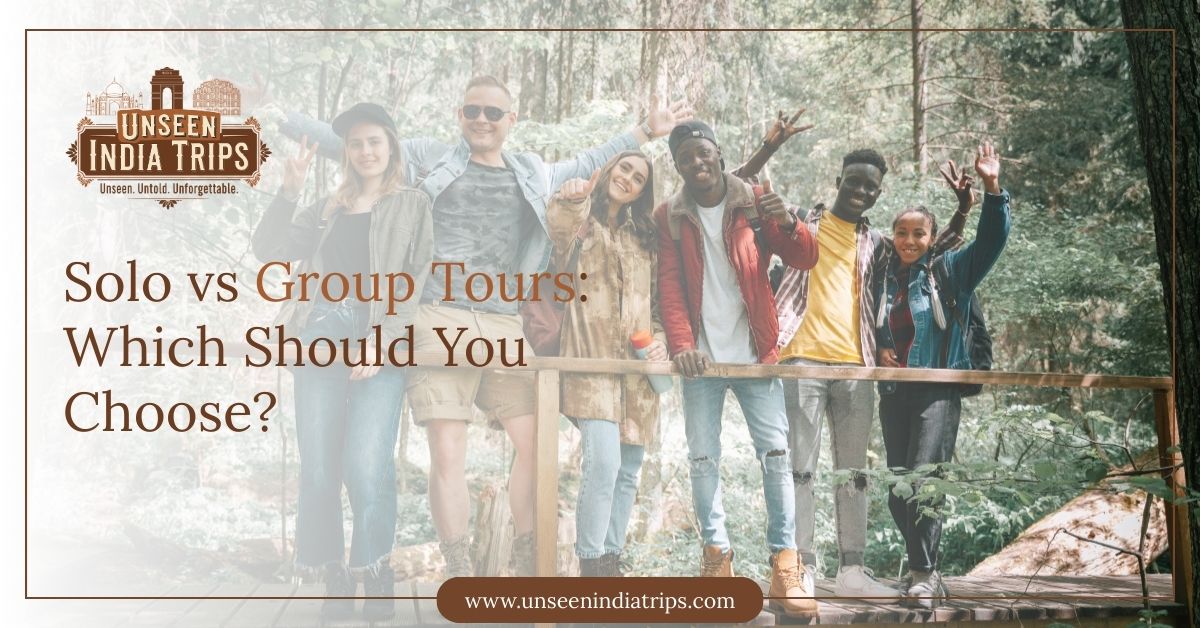
Choosing between solo and group travel represents one of the most fundamental decisions when planning any journey. Each approach offers distinct advantages and challenges that profoundly affect your travel experience, budget, and personal growth. Understanding these differences helps you make informed decisions aligned with your personality, travel goals, and circumstances. This comprehensive guide explores both options in depth, examining the practical, financial, social, and experiential aspects to help you determine which travel style suits you best for your next adventure.
Understanding Solo Travel
Solo travel means exploring destinations independently, making all decisions yourself, and experiencing locations on your own terms without coordinating with others. This doesn’t necessarily mean complete isolation—you’ll meet fellow travelers and locals—but you maintain full autonomy over your itinerary, pace, and choices.
Advantages of Solo Travel
Complete Freedom and Flexibility
Solo travel’s greatest advantage is absolute freedom. You wake when you want, spend as much or as little time at attractions as interests you, change plans spontaneously, and pursue whims without negotiation or compromise. Want to spend three hours photographing one monument? Go ahead. Discovered an interesting side street? Explore without worrying about group schedules. This flexibility allows authentic responsiveness to your interests and energy levels.
You choose accommodation matching your budget and comfort preferences, select restaurants based on your dietary needs and curiosity, and determine daily pacing without accommodating others. Morning person or night owl, fast-paced explorer or leisurely wanderer—you honor your natural rhythms without compromise.
Personal Growth and Self-Discovery
Solo travel pushes you outside comfort zones in ways group travel rarely does. You navigate challenges independently, make decisions without consultation, and rely entirely on yourself. This builds confidence, resourcefulness, and problem-solving abilities. Many solo travelers report significant personal growth—discovering capabilities they didn’t know they possessed, overcoming fears, and developing self-reliance.
The solitude provides space for reflection unavailable in constant company. You process experiences more deeply, journal thoughts, and engage in introspection that group dynamics interrupt. Many travelers describe solo journeys as transformative experiences that clarify life priorities and perspectives.
Authentic Cultural Immersion
Traveling alone makes you more approachable to locals and more likely to seek authentic interactions. Groups form insular bubbles; solo travelers must engage with their surroundings. You’re more likely to accept dinner invitations from locals, ask strangers for directions, and find yourself in unexpected conversations that reveal cultural insights group travelers miss.
Without the comfort of travel companions, you observe surroundings more attentively, notice details, and immerse yourself fully in present moments rather than maintaining social conversation with companions.
Meeting Fellow Travelers
Paradoxically, solo travelers often meet more people than group travelers. Hostels, tours, and shared transportation bring you into contact with diverse fellow travelers. Without a ready-made social group, you’re motivated to introduce yourself, join communal dinners, and participate in social activities. Many lifelong friendships begin during solo travel.
Challenges of Solo Travel
Higher Costs
Single accommodation supplements mean solo travelers pay more per person than those sharing rooms. Private transportation, guides, and certain activities cost the same whether one person or four participate, making per-person costs significantly higher for solo travelers. This financial reality requires either larger budgets or accepting less comfortable options.
Safety Concerns
Solo travelers, particularly women, face heightened safety considerations. No companion watches your belongings during bathroom breaks, helps navigate sketchy situations, or provides backup during conflicts. While solo travel is generally safe with proper precautions, the absence of companions requires extra vigilance and sometimes means avoiding situations or locations you’d comfortably handle in pairs or groups.
Loneliness and Decision Fatigue
Extended solo travel can feel lonely despite meeting people. Shared experiences lack someone who understands the context and memories you’re creating. Decision fatigue accumulates when you research, decide, and execute every choice without input or shared responsibility. Some travelers find this exhausting, particularly during challenging moments when companionship would provide comfort.
Logistical Complexity
Everything falls on you—navigation, language barriers, booking arrangements, handling emergencies. No partner shares research burden, verifies directions, or provides second opinions. While this builds skills, it’s also more demanding than splitting responsibilities.
Understanding Group Tours
Group tours involve traveling with organized groups led by guides following predetermined itineraries. Groups vary from small boutique tours (8-12 people) to large bus tours (40+ participants). The structure, social dynamics, and experience differ dramatically from solo travel.
Advantages of Group Tours
Cost Efficiency
Groups benefit from economies of scale. Accommodation, transportation, guides, and activities cost less per person when split among many travelers. Tour operators negotiate bulk rates unavailable to individuals. For destinations where private transportation is necessary or guides required, group costs can be 30-50% less per person than independent travel.
Golden triangle tour packages particularly demonstrate this advantage—visiting Delhi, Agra, and Jaipur independently with private drivers and guides costs significantly more than joining organized group tours covering the same route.
Hassle-Free Planning
Group tours eliminate planning stress. Operators handle accommodation bookings, transportation logistics, guide arrangements, restaurant reservations, and entrance tickets. You simply show up and follow the itinerary. For time-poor travelers or those overwhelmed by planning, this convenience is invaluable.
Expert Knowledge and Access
Professional guides provide historical context, cultural insights, and stories that independent travelers miss without extensive research. Many tours include special access—skip-the-line entries, after-hours monument visits, or exclusive experiences unavailable to independent travelers. This enhanced understanding enriches experiences significantly.
Safety and Support
Traveling in groups provides inherent safety—companions watch belongings, help navigate challenges, and provide assistance during emergencies. Tour operators handle problems, offer local knowledge about safety, and provide 24/7 support. For first-time international travelers or those visiting challenging destinations, this support system reduces anxiety considerably.
Built-In Social Experience
Groups provide ready-made companionship. You share experiences with like-minded travelers, creating camaraderie and often friendships. Meals, transportation, and sightseeing become social activities rather than solitary experiences. For travelers uncomfortable dining alone or seeking social interaction, groups eliminate isolation.
Efficient Itineraries
Experienced operators design efficient routes maximizing sightseeing while minimizing wasted time. They know optimal visit times avoiding crowds, best photo spots, and how long each attraction requires. This efficiency means you see more in less time than independent travelers figuring things out along the way.
Challenges of Group Tours
Limited Flexibility
Predetermined itineraries mean following group schedules regardless of personal preferences. If you’re not interested in a particular stop, too bad—you’re going anyway. Want more time at a fascinating location? Sorry, the group moves on. This rigid structure frustrates travelers who value spontaneity or have specific interests the tour doesn’t emphasize.
Pacing Compromises
Groups move at average pace—too fast for some, too slow for others. You accommodate the group’s slowest member during walks, wait for stragglers, and compress or extend time at sites based on group consensus rather than personal preference. This compromise satisfies no one perfectly.
Less Authentic Experiences
Tour buses and large groups create tourist bubbles. You eat at restaurants accustomed to tourist groups (often with mediocre food at inflated prices), shop at stores paying commissions, and experience destinations through tourist-lens rather than authentic local perspective. Locals view groups differently than individual travelers, limiting genuine cultural exchange.
Personality Dynamics
You’re stuck with your group—compatible or not. Difficult personalities, complainers, or people with drastically different travel styles affect everyone’s experience. While many groups gel wonderfully, personality conflicts or simply disinterest in socializing can make group travel uncomfortable.
Hidden Costs
Advertised tour prices often exclude items assumed included—entrance fees, meals, tips, drinks, optional activities. After adding these “extras,” the total cost may approach or exceed independent travel costs. Read fine print carefully and calculate true total costs before assuming group tours are necessarily cheaper.
Making Your Decision: Key Questions
What’s Your Travel Experience Level?
First-time international travelers or those visiting complex destinations often benefit from group tours’ structure and support. Experienced travelers comfortable navigating foreign environments may find groups unnecessarily restrictive.
What’s Your Budget Reality?
If budget is tight, group tours—particularly for golden triangle tour packages covering Delhi, Agra, and Jaipur—often provide better value than independent travel with private services. However, solo travelers willing to use public transport, stay in hostels, and embrace budget travel can match or beat group tour costs.
How Important Is Social Interaction?
Extroverts seeking constant companionship and shared experiences thrive in group settings. Introverts who find group dynamics draining and value solitude prefer solo travel. Consider your social energy honestly—no right answer exists, only what suits your personality.
What Are Your Travel Goals?
Seeking maximum efficiency seeing highlights? Groups excel here. Pursuing authentic cultural immersion and personal growth? Solo travel provides this better. Wanting photography freedom? Solo allows unlimited time. Interested primarily in education and context? Quality group tours with expert guides are unmatched.
How Flexible Are Your Preferences?
Travelers with specific interests (photography, architecture, food) often find general group tours don’t allocate sufficient time to their passions. Those comfortable with diverse experiences and compromise enjoy group variety.
Safety Considerations
Solo female travelers, particularly in destinations with safety concerns, may prioritize the security groups provide. Experienced travelers comfortable navigating safety challenges independently may not need this support.
The Hybrid Approach: Best of Both Worlds
You’re not locked into exclusively solo or group travel. Many travelers successfully combine both:
Join Day Tours as Solo Traveler
Travel independently but book day tours for specific attractions. This provides guide expertise and social interaction while maintaining overall independence. Popular for complex sites like archaeological ruins or wildlife safaris where guides enhance experiences significantly.
Split Your Trip
Start with a group tour for orientation and highlights, then continue independently once you’re comfortable. Or travel solo initially, then join a group tour for a specific region or experience.
Small Group Tours
Boutique tours with 6-12 participants offer middle ground—professional organization and social benefits without large group drawbacks. Smaller sizes allow flexibility, foster closer connections, and feel less intrusive than bus tours.
Private Group Tours
Travel with friends or family booking private tours. You get professional logistics and guiding while maintaining complete control over itinerary and pace. Per-person costs are higher than large groups but split among your party while avoiding personality conflicts with strangers.
Practical Considerations by Destination Type
Cities and Cultural Sites
Urban destinations and monument-rich areas work well for both solo and group travel. Delhi, Agra, and Jaipur have infrastructure supporting independent travelers while also being the most popular routes for organized tours.
Remote or Adventure Destinations
Locations requiring permits, specialized guides, or complex logistics (Himalayan treks, wildlife safaris, remote villages) often necessitate tours. Safety and practicality override independence considerations in these contexts.
Beach and Resort Destinations
These suit solo travel well—simple navigation, relaxed pacing, and easy socializing with other travelers. Group tours add little value in straightforward beach destinations.
Multi-Country Routes
Complex itineraries crossing multiple countries benefit from professional organization handling border crossings, transportation connections, and varying accommodation standards.
Financial Deep Dive
Let’s examine specific cost comparisons for a hypothetical 7-day Delhi-Agra-Jaipur journey:
Group Tour: $600-900 per person
- Includes: Accommodation (double occupancy), transportation, guide, some meals, entrance fees
- Excludes: Lunches, dinners, tips, drinks, personal expenses
- True total: ~$800-1,200
Solo Independent: $500-1,500+ per person
- Includes: Accommodation (single), public transport, self-guided, all meals
- Cost varies dramatically based on accommodation choices and transport preferences
- Budget backpacker: $500-700
- Mid-range independent: $900-1,200
- Comfortable with some private services: $1,500+
Solo with Private Services: $1,200-2,000
- Includes: Private car/driver, accommodation (single), private guides, all meals
- Most expensive option but maximum flexibility and comfort
The math shows group tours offer savings over solo travel with similar comfort levels, but budget-conscious solo travelers using hostels and public transport can travel cheaper than groups. Your cost depends heavily on accommodation standards and transportation choices.
Final Recommendation Framework
Choose Group Tours If:
- You’re a first-time international traveler
- Budget is primary concern and you want comfortable travel
- You prefer hassle-free experiences
- Social interaction enhances your travel enjoyment
- You’re visiting complex destinations requiring guides
- Safety concerns are significant
- Limited time requires efficient itineraries
Choose Solo Travel If:
- You’re comfortable navigating foreign environments
- Flexibility and spontaneity are priorities
- You seek personal growth and self-reliance
- Authentic cultural immersion matters most
- You have specific interests needing extended time
- You’re either very budget-conscious or very luxury-focused
- You’re introverted or value solitude
- You want complete control over experiences
Consider Hybrid Approaches If:
- You want both structure and flexibility
- Budget allows picking and choosing services
- You’re ambivalent about pure solo or group travel
- Different trip segments have varying needs
- You want to test both styles before committing
Conclusion
Neither solo nor group travel is inherently superior—they’re different experiences serving different needs, personalities, and circumstances. The best choice aligns with your goals, comfort level, budget, and travel style. Many travelers discover their preference through experience, trying both approaches before settling on what resonates most.
The beauty of modern travel is that you’re not locked into single approaches. You can travel solo on some trips, join groups for others, or blend both within single journeys. The destination, your life circumstances, travel companions, and mood all influence what works best for each adventure.
What matters most isn’t which style you choose but that you travel at all—whether independently or in groups, the experiences, growth, and memories created through exploring our diverse world remain invaluable regardless of how you choose to journey.