Delhi’s street food scene represents one of India’s greatest culinary treasures—diverse, flavorful, affordable, and deeply embedded in the city’s cultural fabric. From the chaotic lanes of Old Delhi to modern food courts in South Delhi, street food offers authentic tastes that expensive restaurants cannot replicate. However, for foreign tourists, navigating street food safely requires understanding what to eat, where to eat, and how to minimize health risks while maximizing delicious experiences. Whether exploring through a structured delhi tour package or venturing independently, Delhi’s street food deserves experiencing—carefully and strategically.
Understanding Street Food Safety
The “Delhi belly” reputation stems largely from tourists diving recklessly into street food without precautions. However, millions of Indians and experienced travelers eat street food daily without issues. Success requires smart choices, not complete avoidance.
Safe Street Food Principles:
- Choose vendors with high turnover (long queues indicate popularity and fresh preparation)
- Eat freshly cooked, piping hot food rather than items sitting for hours
- Avoid raw vegetables, salads, and items washed in tap water
- Start with simple, less risky items before progressing to more adventurous choices
- Observe preparation—vendors cooking in front of you prove safer than hidden kitchens
- Trust your instincts—if something looks or smells questionable, skip it
Build Tolerance Gradually: Don’t attack street food aggressively on arrival day. Your digestive system needs time to adjust to new bacteria. Start with safer options from reputable vendors, then gradually try bolder choices as your system acclimates.
Must-Try Delhi Street Foods
Chole Bhature
Fluffy, deep-fried bread (bhatura) served with spicy chickpea curry (chole), pickles, and onions. This Punjabi specialty dominates Delhi breakfast scenes, offering filling, flavorful meals.
Where: Sitaram Diwan Chand (Paharganj), Lotan Chole Bhature (Chandni Chowk), Nand di Hatti (various locations)
Safety Level: Medium-high. Freshly fried bhature are safe; ensure chickpeas are served piping hot.
Chaat
Umbrella term for numerous savory snacks featuring combinations of fried dough, potatoes, chickpeas, yogurt, chutneys, and crispy elements. Varieties include:
- Aloo Tikki: Potato patties served with chickpeas, yogurt, and chutneys
- Papri Chaat: Crispy wafers topped with potatoes, chickpeas, yogurt, and chutneys
- Dahi Bhalla: Soft lentil dumplings in spiced yogurt
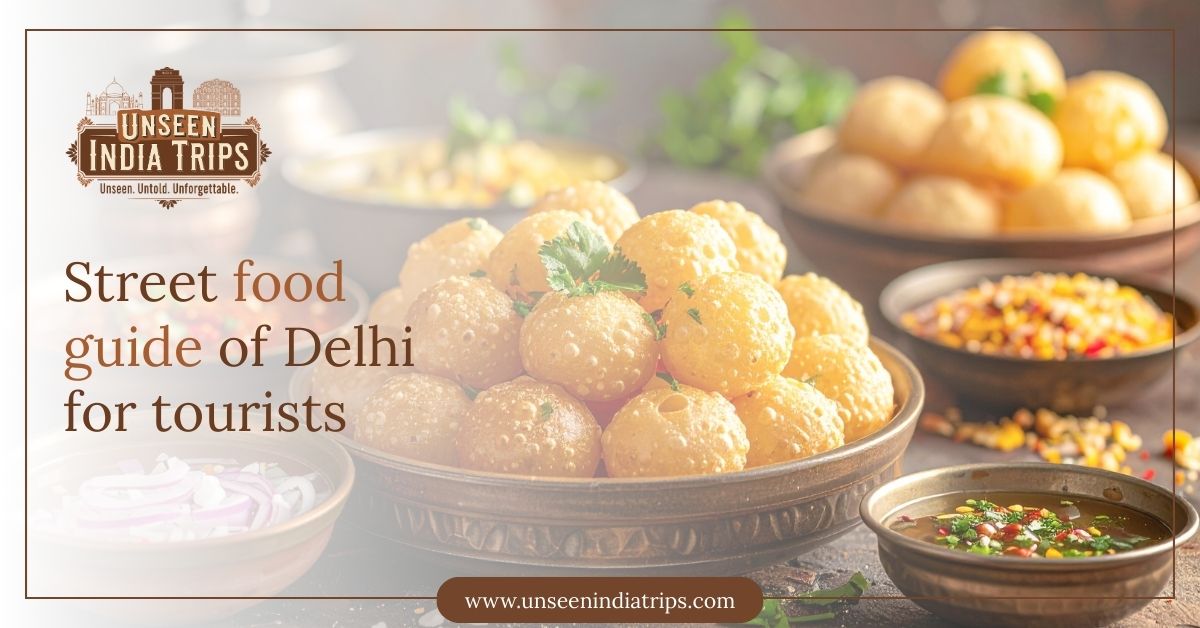
- Pani Puri/Golgappa: Crispy hollow spheres filled with spiced water, tamarind chutney, chickpeas, potatoes
Where: Natraj (Chandni Chowk), Prince Chaat Corner (various locations), Bengali Market chaat stalls
Safety Level: Variable. Avoid pani puri initially (the water poses risks). Aloo tikki and papri chaat from busy vendors are relatively safer. Yogurt-based items carry a moderate risk but are generally safe from reputable vendors.
Paranthe Wali Gali
Famous Old Delhi lane specializing in paranthas (stuffed flatbreads) with dozens of filling options—potato, paneer, mixed vegetables, even exotic options like banana or rabri (sweet condensed milk).
Where: Paranthe Wali Gali in Chandni Chowk (multiple competing shops)
Safety Level: High. Freshly made, cooked on hot griddles, served immediately. Minimal raw components.
Kebabs
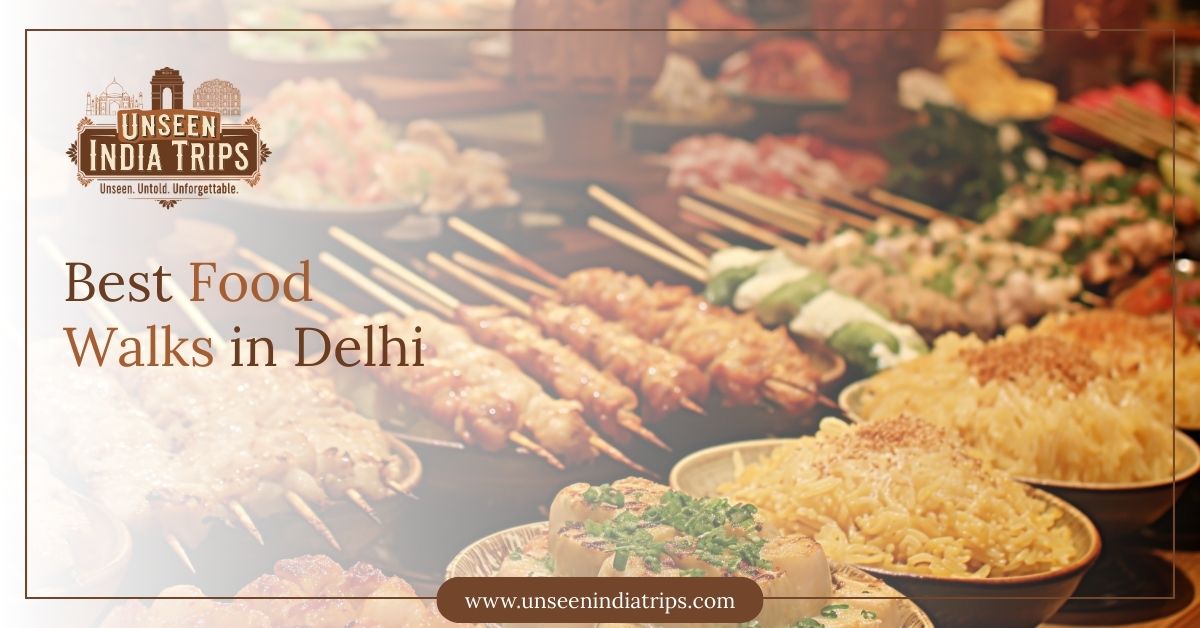
Delhi excels at kebabs—minced meat (usually mutton or chicken) spiced and grilled over charcoal. Varieties include seekh kebabs, galouti kebabs, and numerous regional styles.
Where: Karim’s (Jama Masjid area), Al Jawahar (opposite Jama Masjid), Khan Chacha (Khan Market for upscale kebab experience)
Safety Level: Medium-high. Ensure meat is freshly grilled and thoroughly cooked. Avoid if undercooked. Reputable kebab vendors maintain better standards than random street corners.
Kulfi
Traditional Indian ice cream, denser and creamier than Western ice cream, is available in flavors like pistachio, mango, saffron, and rose.
Where: Kuremal Mohan Lal Kulfi Wale (famous for stuffed fruit kulfis), various Old Delhi vendors
Safety Level: Medium. From established vendors with proper refrigeration, it is relatively safe. Avoid random cart vendors where storage conditions are questionable.
Jalebi
Deep-fried batter swirls soaked in sugar syrup, served hot and crispy. Often paired with rabri (condensed milk) for extra indulgence.
Where: Old Famous Jalebi Wala (Chandni Chowk), various sweet shops throughout Delhi
Safety Level: High. Freshly fried, served hot, with minimal contamination risk.
Momos
Tibetan dumplings (steamed or fried) filled with vegetables, chicken, or paneer, served with spicy chutney. Originally from Tibet, momos have become Delhi street food staples.
Where: Dolma Aunty (Lajpat Nagar), various stalls in Majnu ka Tilla (Tibetan colony)
Safety Level: Medium-high. Steamed momos from busy vendors are quite safe. Fried momos are slightly safer than steamed ones. Ensure they’re served hot.
Nihari
Slow-cooked meat stew traditionally eaten for breakfast, featuring tender mutton in rich, spiced gravy served with kulcha (bread).
Where: Kallu Nihari (Jama Masjid area), Shabrati Nihariwala (Jama Masjid)
Safety Level: High. Long cooking times kill bacteria. Ensure meat is tender (indicating proper cooking) and gravy is hot.
Area-Wise Street Food Guides
Old Delhi (Chandni Chowk Area)
The undisputed street food capital of Delhi, Old Delhi, offers the most diverse, authentic, and intense food experiences. However, it’s also chaotic, crowded, and can overwhelm first-timers.
Must-Visit: Paranthe Wali Gali, Natraj Dahi Bhalla, Old Famous Jalebi Wala, Karim’s, Gali Qasim Jaan (for nihari)
Best Timing: Early morning (7-9 AM) for breakfast items and fewer crowds, or late afternoon (4-6 PM) for evening snacks. Avoid midday heat and peak lunch crowds.
Tips: Navigate narrow lanes carefully. Keep bags secure. Prepare for sensory overload. Consider hiring a food tour guide for your first visit—they know the best vendors and explain dishes.
South Delhi Markets
South Delhi offers more “sanitized” street food experiences—cleaner, more organized, and often slightly more expensive but with better hygiene standards.
Areas: Lajpat Nagar Central Market, Khan Market, Sarojini Nagar Market, INA Market
Food Styles: Mix of traditional Delhi street food and modern fusion items. Cleaner presentation, sometimes AC seating, better facilities.
Advantage: More comfortable for tourists nervous about Old Delhi’s intensity. Good middle ground between authentic street food and restaurant dining.
Bengali Market
The Central Delhi market is famous, particularly for chaat—the concentration of excellent chaat vendors creates competitive quality.
Specialties: All varieties of chaat, fruit chaat, kulfi
Atmosphere: Less chaotic than Old Delhi, more organized than typical street corners. Good for mid-level street food experience.
Connaught Place Area
Central location with a mix of street food stalls and established quick-service restaurants.
Notable: Bikanervala and Haldiram’s outlets offer “safe” street food experiences in restaurant settings—slightly less authentic but dramatically lower risk for cautious tourists.
Street Food Through Delhi Tour Package
Many delhi tour package itineraries include street food experiences, typically taking tourists to verified, relatively safe vendors. Benefits include:
- Guides who know reputable vendors
- Translation help with ordering
- Pre-selected safe options
- Cultural context and explanation
- Reduced risk from guide oversight
However, organized food tours may skip the most authentic (and risky) experiences, prioritizing safety over complete authenticity. This trade-off suits risk-averse travelers but may disappoint adventurous foodies seeking unfiltered experiences.
Health Precautions
Before Eating:
- Use hand sanitizer before meals (carry everywhere)
- Drink only bottled water—never tap water with meals
- Skip ice in drinks unless you’re certain it’s from filtered water
Food Selection:
- Order vegetarian options initially—meat carries higher risks
- Choose deep-fried items (high heat kills bacteria)
- Ensure everything is served hot
- Avoid yogurt-based items initially, despite them being delicious
After Eating:
- Carry Imodium/Loperamide for quick diarrhea relief
- Pack oral rehydration salts (ORS) for hydration if issues occur
- Don’t panic if mild stomach upset occurs—often a temporary adjustment
Emergency Preparation:
- Know your hotel location for a quick return if feeling unwell
- Identify nearby pharmacies
- Have travel insurance information accessible
- Consider pre-emptive probiotics supporting digestive health
Common Mistakes to Avoid
Eating Too Much, Too Fast: Pace yourself. Delhi’s food diversity tempts overeating—sample small portions from multiple vendors rather than gorging at one place.
Ignoring Your Body: If something doesn’t agree with you, stop eating it. Not worth powering through for “authentic experience” at the cost of ruining your trip.
Being Overly Paranoid: Balance caution with adventure. If you avoid all street food out of fear, you miss incredible experiences and flavors that restaurants cannot replicate.
Eating Street Food While Exhausted: When jet-lagged, sleep-deprived, or already feeling unwell, your body struggles more with new bacteria. Save adventurous eating for when you’re well-rested.
Following Random Recommendations: That “secret spot” your taxi driver recommends might pay him commissions. Trust established vendors with long queues of locals, not random suggestions from people with financial incentives.
The Verdict: Worth the Risk?
Absolutely—with precautions. Delhi’s street food offers flavors, value, and cultural immersion that expensive restaurants cannot match. A ₹50 ($0.60) plate of chole bhature from a roadside stall often surpasses ₹500 restaurant versions in both taste and authenticity.
The key is smart risk management. Start conservatively, build Tolerance, choose reputable vendors, and accept that minor stomach upset might occur despite precautions—it’s part of the adventure. Most travelers navigate Delhi’s street food successfully, creating delicious memories alongside their monument photographs. The combination of strategic caution and adventurous spirit allows you to experience Delhi’s culinary soul while maintaining the health to enjoy the rest of your journey.