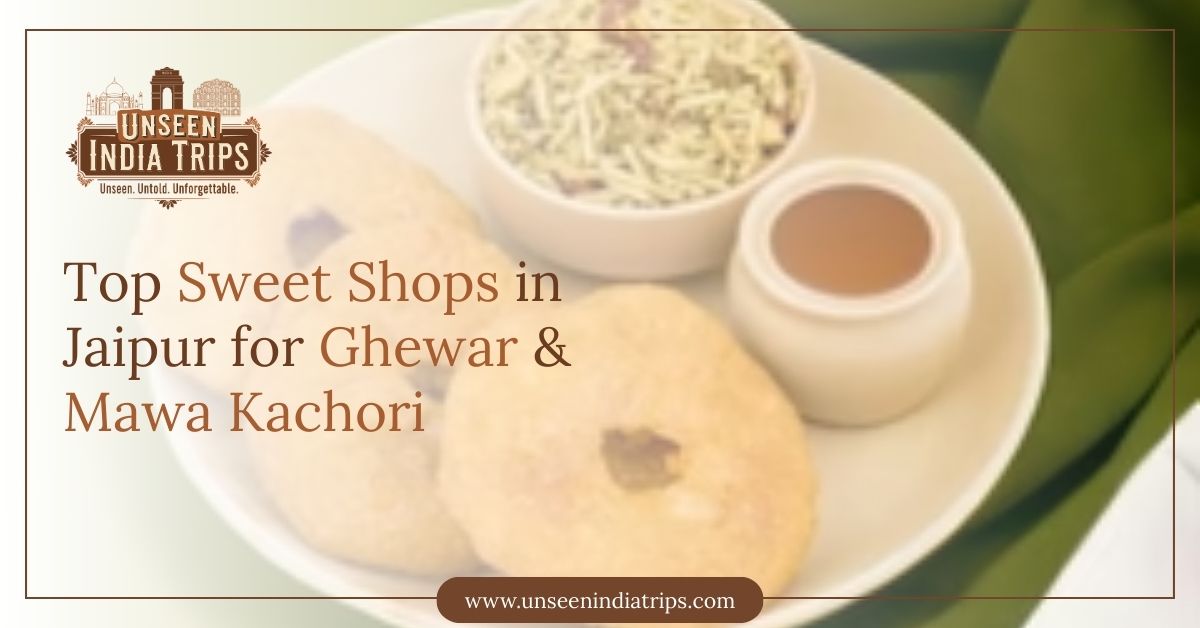
Jaipur’s culinary heritage extends far beyond royal feasts and elaborate thalis, encompassing a rich tradition of sweets and savoury snacks that define Rajasthani gastronomy. Among these delicacies, ghewar—a honeycomb-textured sweet soaked in sugar syrup—and mawa kachori—a deep-fried pastry filled with sweetened milk solids—stand out as the city’s most iconic offerings. Discovering the sweet shops in jaipur that have perfected these specialities over generations becomes essential for food enthusiasts exploring the Pink City, whether through organised jaipur tour packages or independent culinary adventures.
LMB (Laxmi Misthan Bhandar)
Perhaps Jaipur’s most famous sweet shop, LMB, has operated in Johari Bazaar, the heart of the walled city, since 1954. This institution transcends simple sweet shop classification—it’s a full restaurant serving traditional Rajasthani meals alongside its legendary sweets counter. However, LMB’s real fame rests on its exceptional ghewar and mawa kachori.
The Ghewar: LMB produces multiple ghewar varieties—plain, mawa (milk solids), and paneer (cottage cheese). The texture achieves perfect crispness while maintaining the characteristic honeycomb structure that distinguishes quality ghewar. Traditionally associated with Teej and Raksha Bandhan festivals, LMB makes ghewar year-round for tourists and locals unwilling to wait for festival seasons.
The Mawa Kachori: LMB’s version features flaky, golden pastry encasing rich mawa filling sweetened with cardamom and saffron. Served warm, the kachori provides textural contrast—its crispy exterior yielding to a creamy, aromatic filling. Best enjoyed fresh in the morning when production peaks.
Practical Information: Located in Johari Bazaar, open 8 AM-11 PM. Expect crowds, particularly during festival seasons and weekends. The restaurant section upstairs offers sit-down dining, but the ground-floor sweet counter allows quick purchases. Prices are reasonable—ghewar around ₹400-600 per kilogram, mawa kachori ₹50-80 each.
Rawat Mishtan Bhandar
Located on Station Road near the railway station, Rawat achieved legendary status specifically for mawa kachori. While they sell various sweets and snacks, tourists and locals alike visit primarily for this speciality. The shop opens early, with fresh batches emerging from their kitchen continuously.
The Mawa Kachori Excellence: Rawat’s version balances sweetness perfectly—neither cloying nor bland. The pastry achieves remarkable lightness despite deep-frying, while the mawa filling incorporates just enough cardamom to provide aromatic complexity without overwhelming the milk solids’ natural flavour. Served with sugar syrup for extra sweetness, though many prefer them plain.
Other Specialities: Beyond mawa kachori, Rawat produces excellent pyaaz kachori (savoury onion-filled), samosas, and various traditional sweets. The shop also serves breakfast items, making it a popular morning destination for locals.
Practical Information: Opens around 7 AM, often sells out of mawa kachori by noon on busy days. Visit early for guaranteed availability and maximum freshness. The shop gets extremely crowded in the mornings and evenings—patience is required during peak hours. Prices remain competitive—mawa kachori approximately ₹40-60 each.
Ganesh Misthan Bhandar
This sweet shop in Kishanpol Bazaar represents old Jaipur authenticity without tourist markup pricing. Family-run for generations, Ganesh maintains traditional preparation methods and recipes that prioritise flavour over modern shortcuts. The shop’s unassuming exterior hides a commitment to quality that locals recognise, and tourists discover through word of mouth.
Traditional Ghewar: Ganesh produces ghewar during festival seasons, with particular attention to the intricate honeycomb structure, which requires skill and experience to achieve. Their version tends slightly less sweet than commercial varieties, allowing the subtle flavours of clarified butter and flour to come through alongside the sugar syrup.
Variety of Sweets: Beyond ghewar and kachori, Ganesh offers a comprehensive range of Rajasthani and North Indian sweets—mohanthal, churma ladoo, besan chakki, and seasonal specialities. The shop functions as a neighbourhood sweet provider, ensuring the consistent quality locals depend on.
Practical Information: Located in the walled city’s Kishanpol Bazaar area, this shop requires navigating narrow lanes but rewards the effort with authentic experiences and lower prices than those at tourist-area establishments. Limited English spoken; pointing and gesturing work well for ordering.
Chhotu Motu Joshi
In Nehru Bazaar, this small but renowned sweet shop specialises in traditional Rajasthani sweets, particularly its ghewar. The name “Chhotu Motu” (literally “small and chubby”) reflects the shop’s humble size, but its reputation far exceeds physical dimensions.
Festival-Time Ghewar: During Teej and other festivals, Chhotu Motu Joshi produces such large quantities of ghewar that the shop becomes nearly impassable with customers. The quality consistency—maintaining standards despite high volume production—explains the loyal customer base willing to wait in long queues.
Technique: The shop adheres strictly to traditional ghewar-making methods requiring patience and skill. The batter’s composition, frying temperature, and syrup consistency all demand precision that only experienced sweet-makers achieve consistently.
Practical Information: Best visited during festival seasons when ghewar is freshly made in large quantities. Off-season, call ahead to verify ghewar availability. The shop’s location in busy Nehru Bazaar means navigating market crowds.
Jain Misthan Bhandar
Near Sanganeri Gate, this sweet shop caters primarily to locals but increasingly attracts informed tourists seeking authentic sweets at fair prices. The shop’s vegetarian (and often vegan-friendly) preparations align with Jain dietary principles while producing exceptional taste.
Mawa Products: Beyond mawa kachori, the shop produces various mawa-based sweets—mawa burfi, mawa gujiya, and seasonal mawa preparations. The quality of their mawa (freshly made milk solids) elevates all these products above competitors’ products that use commercially produced or stored mawa.
Fair Pricing: As a locally focused shop, Jain Misthan Bhandar maintains prices significantly below those of competitors in tourist areas while matching or exceeding quality. Budget-conscious travellers find excellent value here.
Practical Information: Operating hours are typically 8 AM-9 PM. The shop’s location near Sanganeri Gate makes it convenient for those staying in South Jaipur or visiting nearby attractions. Minimal English spoken; smartphone translation apps helpful.
Tips for Sweet Shop Exploration
Timing Matters: Visit sweet shops early in the morning for the freshest products, particularly mawa kachori, which tastes best warm. Ghewar availability varies by season—maximum variety during July-September (Teej festival season) and around Raksha Bandhan.
Portion Sizes: Sweets are rich and filling. Don’t over-order on the first visit—sample small quantities from multiple shops rather than large amounts from a single shop. Mawa kachori are substantial—one or two often suffice per person.
Storage: If purchasing for later consumption or taking home, ask about shelf life. Ghewar lasts several days when stored properly (in cool, dry conditions). Mawa kachori is best consumed fresh; refrigeration changes the texture.
Hygiene Observation: Busy shops with high turnover generally maintain better freshness and hygiene than those with products sitting for extended periods. Observe preparation areas when visible—cleanliness and organised workflow indicate quality operations.
Including Sweet Shops in Jaipur
Many jaipur tour packages now incorporate culinary experiences, recognising that food forms an integral part of cultural understanding. When booking tours, inquire about food stops or request visits to a sweet shop during market tours. Knowledgeable guides know which shops produce the best quality and can navigate language barriers, explain specialities, and ensure you taste authentic versions rather than tourist-oriented variations.
Alternatively, dedicated food tours focus on Jaipur’s culinary heritage, visiting multiple sweet shops and sampling savoury specialities. These tours provide context about sweet-making traditions, ingredient sourcing, and cultural significance while ensuring you sample the city’s best offerings.
Beyond Ghewar and Mawa Kachori
While these two specialities deserve prioritisation, Jaipur’s sweet shops offer numerous other traditional items worth trying:
Ghevar Variations: Beyond plain ghewar, try mawa ghewar (with milk solids) or malai ghewar (with cream) for richer variations.
Mohan Thal: Gram flour sweet with rich, fudge-like texture, traditional to Rajasthan.
Churma Ladoo: Whole wheat flour balls sweetened with jaggery, often served with dal baati.
Balushahi: Flaky, crispy, sweet, similar to a doughnut but denser and more indulgent.
Seasonal Specialities: Many shops produce festival-specific sweets—ask what’s special during your visit period.
Exploring sweet shops in jaipur provides a delicious introduction to Rajasthani culinary traditions while supporting small family businesses, maintaining recipes and techniques passed through generations. These shops represent living cultural heritage, where tasting becomes an experience, and purchasing supports the continuation of tradition. Whether you’re a dedicated food tourist or simply appreciate well-crafted sweets, Jaipur’s sweet shops offer memorable, authentic experiences that complement the city’s visual and architectural splendours.